
Slingshot Bio
Roboto converged Slingshot Bio's WordPress and Shopify sites into one headless Shopify build on Next.js and Sanity, instrumented end to end and AI-ready.
View case study


From Joomla to Prismic
Last verified:
The process
First we check the existing Joomla and see whether the data is clean enough to move straight over to Prismic, and plan around any auth walls or bot protection in the way.
Then we work out how Joomla renders its pages and pull the content out, even without CMS access.
Everything extracted runs through our sanitization pipeline, which flags slop, normalizes structure, and leaves us clean content to work with.
Before anything moves, we agree the Prismic content model with you, shaped around how your editors actually work.
We transform the content to the agreed schema and run a full dry run, so mappings and edge cases prove out before production.
Once the dry run is clean, everything moves into Prismic in one controlled cutover.
Every old URL gets mapped to its new home with the right redirect, so rankings and link equity survive the move.
Finally, automated browsers sweep the new site for data issues, design regressions, and missing SEO signals.
Key pain points
Joomla sits in the same bracket as WordPress, except it is somehow even harder to explain to anyone under 40. If your C-suite still thinks "PHP developer" is a personality type, Joomla will make them feel right at home. You will also keep your hosting provider happy, because nothing about this platform is light or low-maintenance.
The dev experience feels stuck in a pre-Composer, pre-type-hints era. Major upgrades are the real horror story. Joomla 3 and 4 both went end of life in October 2025, and moving up a major version tends to break extensions and templates badly enough that you rebuild the site anyway. The community is smaller than WordPress's, the documentation is hit-and-miss, and the admin panel feels like a government portal that accidentally became a CMS. Performance on shared hosting is shaky and the editing workflow is clunky. If you really, truly still want Joomla, we will point you to another agency, or sit down with us for half an hour and we will talk you out of your biggest digital regret.

Steep learning curve
Joomla makes even simple tasks feel like you’re onboarding into a new corporate ERP system. If you’re not already fluent in its quirks, prepare to lose a weekend (or three).
Outdated coding standards
Still clinging to older PHP conventions, missing modern practices, and generally stuck in a time capsule. If you enjoy fighting your own tools, you’ll love it.

Complex migration process
Upgrading versions feels less like an update and more like a full-blown rebuild. Random extensions break, templates combust, and you’re left questioning your career choices.
Extension compatibility issues
Half the ecosystem works… depending on your version, your template, the time of day, and whether Mercury is in retrograde. Reliability is not its strong suit.
Limited template selection
Unless you’re aiming for "government website from 2011," the design ecosystem doesn’t give you much to work with.
Interface complexity barriers
The admin panel still feels like an escape room puzzle. Everything is technically there, but actually finding or using it is another story.
Key advantages
Prismic is phenomenal for simplistic page-builder-style websites. Its simplistic drag-and-drop page builder, along with the newer code-based version, helps you generate like-for-like components and automates the developers' process.
The built-in media optimization tool is also great, so you can ensure that even if you're uploading 4mb images, they're going to be scaled down with minimal compression artifacts.
Content scheduling capabilities
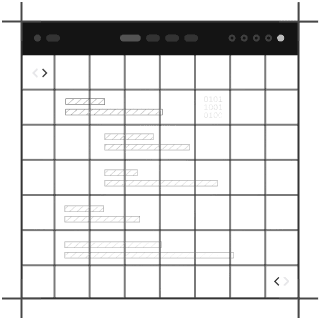
Prismic makes it ridiculously easy to plan content ahead with built-in scheduling without any plugins or workarounds. Just pick a time, hit schedule, and your release goes live exactly when you want it.
Intuitive visual editor
The editor feels natural even for non-technical teams, with clean previews and simple fields. It keeps the writing flow distraction-free while still giving developers structure.
Efficient slices feature
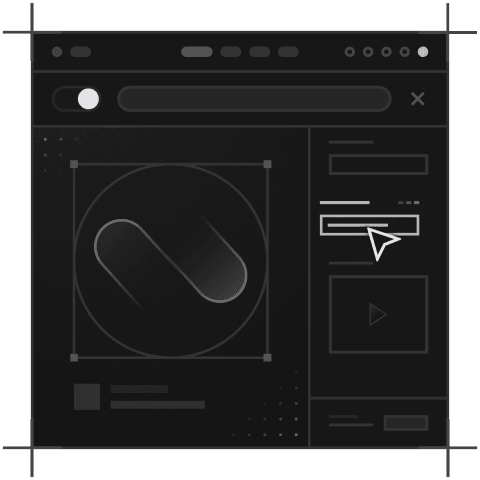
Slices let you build repeatable, flexible components that marketers can rearrange without breaking layouts. It’s the closest thing to structured Lego-blocks for content teams.
Rich media embedding
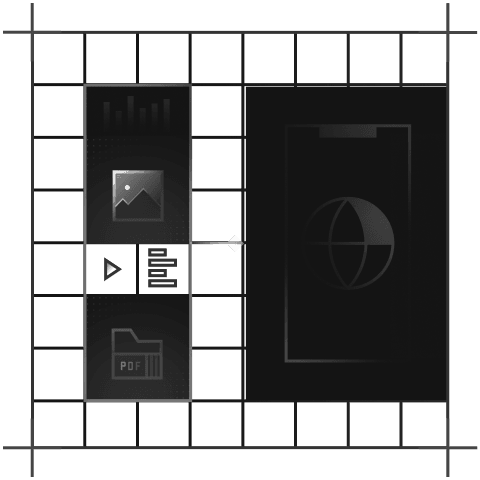
Embedding images, videos, and rich assets takes seconds. You don't need to hack templates. Just paste, pick, and publish.
Flexible component reuse
Developers create once, marketing teams reuse forever. Slices and custom types make content scalable without adding complexity.
Drama-free publishing
Publishing is fast, predictable, and drama-free. If you want to do a small tweak or a full-page release, everything ships smoothly with minimal cognitive load.
Tell us what you're building. We reply within one working day. Jono or someone on the team picks up every message personally.
Join the growing list of successful migrations