
1st Call Immigration
1st Call Immigration’s WordPress site cost four figures a year in hosting. We rebuilt it on Sanity and Next.js with near-perfect Lighthouse scores.
View case study
For firms selling expertise, the website is the first credential a prospect checks. We build Sanity and Next.js sites for architecture, legal, and immigration practices: deep service pages, clearly organized, editable by the firm without a developer.
When a firm sells expertise, the website is the first credential a prospect checks, and it is usually maintained by someone whose actual job is something else. Both of those facts shape the build.
1st Call Immigration had a five-page site on WordPress that cost over four figures a year in hosting, where the plugin stack and the move to Gutenberg threw repeated PHP errors that blocked content updates for five years. We rebuilt it on Sanity and Next.js with content blocks tailored to immigration services rather than a generic page builder, so the people writing about visa routes are working with fields that match the work.
Lungfish Architects had an underperforming WordPress site and a global audience. Savory and Partners had Lighthouse scores around 60 and a development process that made every component change expensive. Each one needed a different fix, and in none of the three was a redesign the answer on its own.
Sanity and Next.js is the pairing for firms that publish deep service pages and want to edit them without a developer. The reason is the editing experience rather than the rendering: real-time preview means an editor sees the change before publishing, and content blocks shaped around the practice area beat a general-purpose builder for people who use the CMS occasionally.
Where the problem is performance and cost rather than content, we go at that directly. Lungfish moved to hosting 30 times more cost-effective than what they were on, with advanced caching strategies doing the performance work, plus automated maintenance and off-site backups so the site keeps running without attention.
Savory and Partners' build needed the component layer replaced. We swapped Material UI for the lighter Shadcn UI, then used Cursor for automated component generation, which turned day-long refactoring tasks into minutes-long ones. Their internationalization workflow was improved in the same engagement with better translation strategies.
Lungfish Architects' site is 80% faster and their hosting is 30 times more cost-effective, saving £4,000 every year. Their Area Director Richard Fielding put the result as: "Our website is now perfectly set up to support our future development and showcase our work effectively."
Savory and Partners went from Lighthouse scores around 60 out of 100 to the high 90s. v0 and Cursor are now part of how their team ships, generating new components from text descriptions.
1st Call Immigration's rebuild drastically reduced the four-figure annual hosting bill, with no plugins to license or keep patched, which is where most of the old cost and most of the breakage came from. The new site landed near-perfect Lighthouse scores across performance, accessibility and SEO, and maintaining their local SEO presence was a stated requirement of the project rather than something checked afterwards.
Most firms we work with do not have an in-house developer, so the handover is part of the build rather than a document at the end.
For 1st Call Immigration that meant content blocks specific to immigration services and real-time preview, which replaced five years of being unable to publish at all. For Savory and Partners it meant workshops: we taught the team performance metrics and modern development practices alongside the fixes, so the Lighthouse gains hold rather than drifting back once the engagement ends.
The cost side needs the same treatment. A WordPress site with a dozen licensed plugins has a running bill and a patching obligation that grows every year, and both are invisible until something breaks. Removing the plugin layer is what made 1st Call Immigration's hosting cost drop and what stopped the PHP errors, and automated maintenance with off-site backups is what lets Lungfish concentrate on the practice instead of the website.
1st Call Immigration’s WordPress site cost four figures a year in hosting. We rebuilt it on Sanity and Next.js with near-perfect Lighthouse scores.
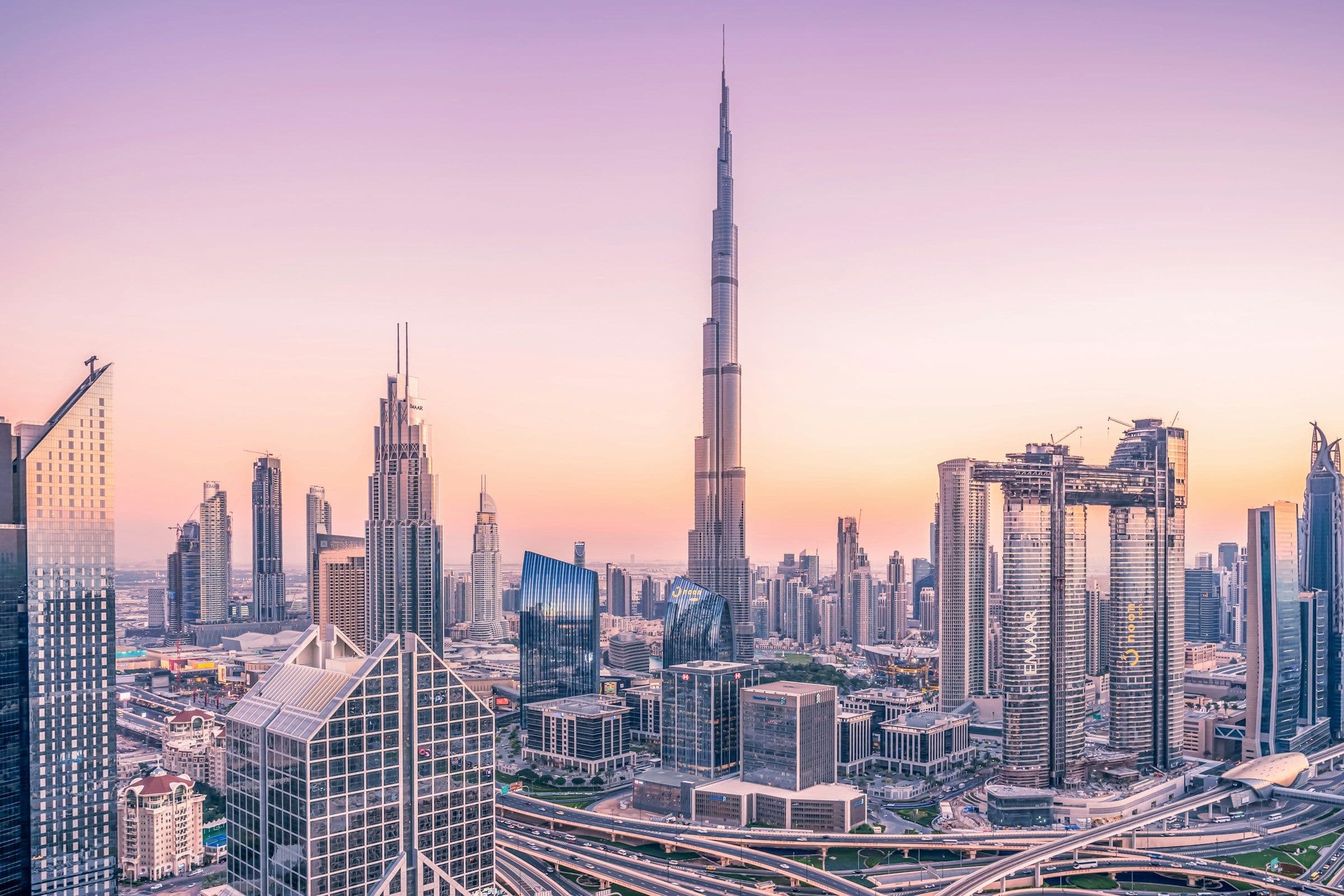
Discover how Roboto Studio transformed Savory & Partners' website performance, boosting Lighthouse scores from 60 to 90+, while rebuilding their development process around AI tools like Cursor and v0.dev.
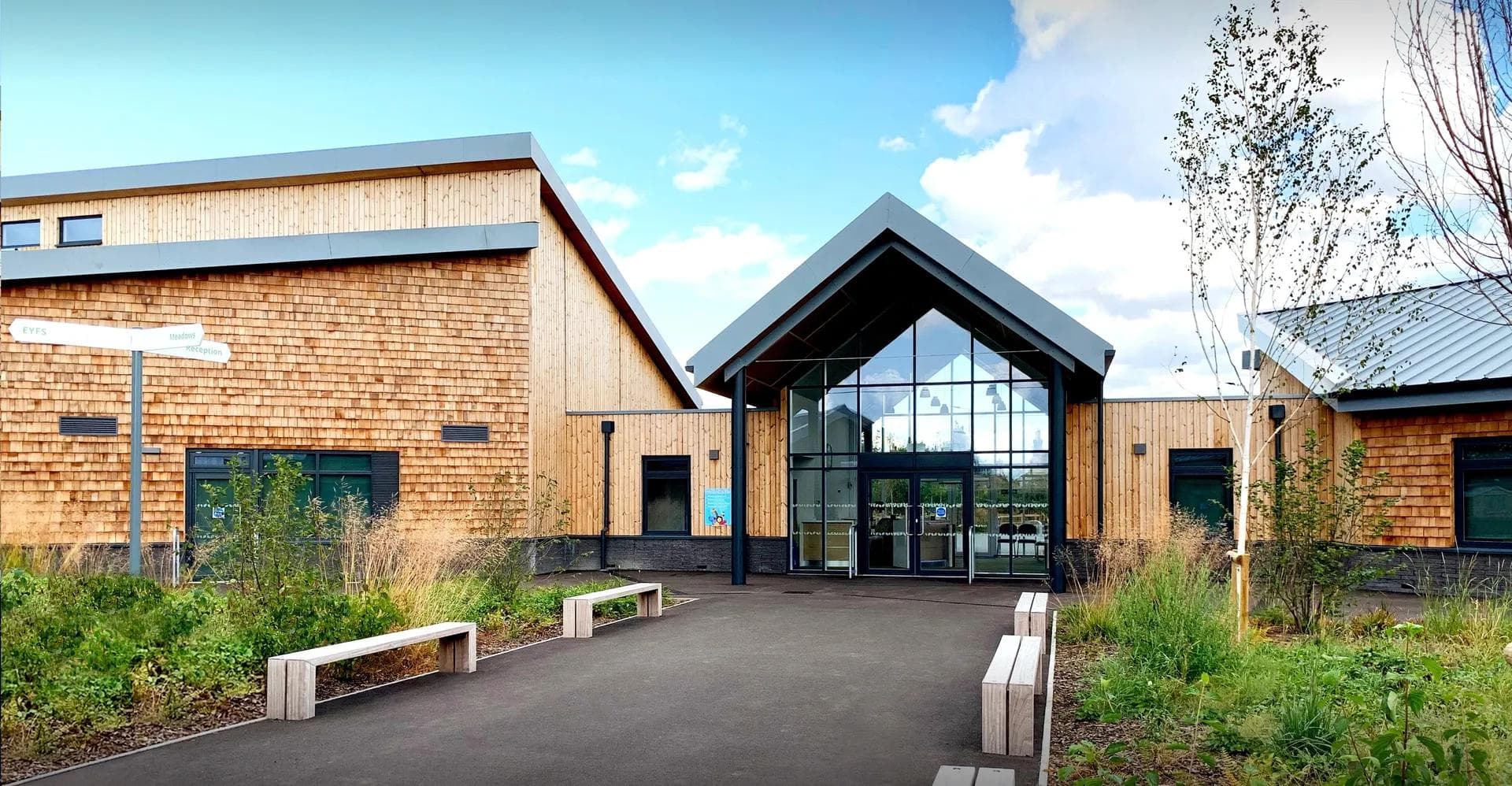
How an award-winning architecture firm achieved 80% faster website performance and significant cost savings through strategic digital optimization and hosting solutions.

Five of our internal skills are now open SKILL.md files, discoverable at /.well-known/agent-skills/index.json. What they do and why we gave them away.




Looking for a Sanity CMS agency? Explore our complete guide covering pros, cons, and red flags. (Fair warning: we're an agency, but only slightly biased!)

Guess what? We're Sanity agency partners. Learn how coupling a top-tier CMS with a high-performance frontend delivers an unparalleled web experience.
CMS migration agency for teams replatforming off WordPress, Webflow, HubSpot, Drupal, Sitecore or Framer. We move content, preserve URLs, and keep search rankings intact so you don't lose 30% of your traffic the week after launch.

Sanity CMS development agency for teams shipping content at scale. Preferred Sanity partner, community ambassadors and authors of Turbo Start Sanity. We build studios, migrate from WordPress and Strapi, and tune Sanity so editors actually want to use it.

Vercel agency partners building serious Next.js apps: dashboards, AI products, content platforms and hybrid SaaS surfaces.
Work with us