Uniform logo
Sanity logo

From Uniform to Sanity

We are the Uniform to Sanity migration experts

Last verified:


Challenges with Uniform

Key pain points

Uniform’s biggest problem is the price of admission. And once you're in, good luck breezing through the learning curve. Teams consistently need workshops, onboarding sessions, and a few existential crises to get comfortable with its orchestration layer.

Because it’s still a relatively young DXP, the ecosystem is thin. You won’t find the deep plugin libraries or community support you get with more established headless tools. Content teams also struggle with their mental model. Especially since the abstraction adds a layer of debugging that feels like fighting a boss battle before publishing a single page, and unless you’re on their higher tiers, expect features and limits that remind you this thing is very much built for enterprises… not anyone trying to stay under budget this decade.
Help me migrate


High enterprise pricing barrier

High enterprise pricing barrier

Uniform sits behind an aggressively enterprise paywall, making even basic usage expensive unless you're already swimming in Fortune-500 budgets.

Complex learning curve

Complex learning curve

Its whole “experience orchestration” model takes time to wrap your head around. Your team won’t be productive on day one, or even week one.
Extensive training requirements

Extensive training requirements

Marketers and developers both need onboarding and workflow retraining, which slows adoption and inflates your implementation cost.
Enterprise-tier feature limitations

Enterprise-tier feature limitations

A surprising number of essential features only unlock once you upgrade, which is frustrating when the base plan is already pricey.
Preview functionality gaps

Preview functionality gaps

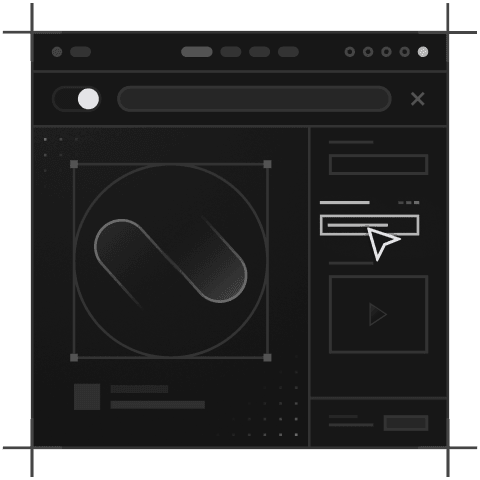
Content creators won’t love the limited, indirect preview setup. It’s nowhere near as smooth as modern CMSes with first-class real-time preview.
A light gray gear-like shape with a dark center, surrounded by two concentric circles, on a dark grid background.

Integration complexity overhead

Uniform’s abstraction layer adds mental overhead and troubleshooting work when things break, especially if you're stitching together several backend systems.


Benefits of Sanity

Key advantages

You know where our bias' lies. We think Sanity is literally the best headless content management out there. The schema is code-based, so it can be easily versioned, scaled, and extended without a heap of third-party hoops to jump. Providing you build it with a solid foundation, which we always recommend Turbo Start Sanity, it's going to be the most valuable hub for content you can imagine.

It's got a very unique tooling called the Live Content API, which in simple terms means

when you press publish, its live.

No issues with caching, and a single API usage that scales perfectly with multichannel content delivery.

It also offers one of the best editorial experiences in the industry with Presentation and customizable content structures. We're obviously huge fans of it, and we've pivoted our business with it when we realised how ahead it is.
Start my migration


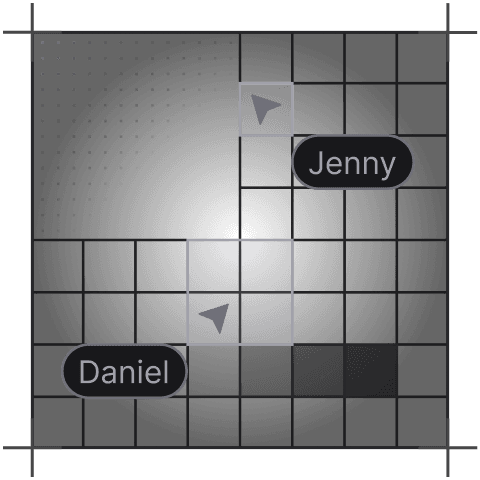
Multiplayer - multiple users editing the same blocks at the same time

Real time collaboration

You write, your teammate tags in, adds citations, and updates the same doc without stepping on each other. It’s the fastest way to ship content without the “who has edit access?” chaos.

Live content API and presentation editor - a way to be able to edit things side by side, directly within Sanity

Live preview block building

With Sanity, you don’t have to guess what your page might look like. Real-time previews update the moment you type. It’s a 1:1 mirror of your site before it ever goes live, so your campaigns look right the first time.
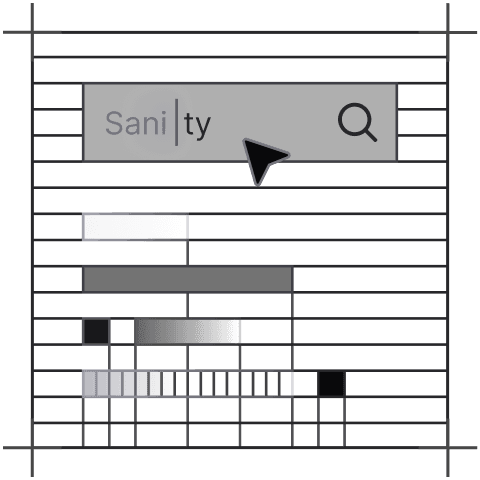
Meta tags and structured content help to build websites, UI showing the ability to edit granularly

Meta tags, structured content

Sanity’s structured content gives Google clean data and rich schema, so your pages surface higher without manual hacking. Automated schema, smarter metadata, and better rankings.
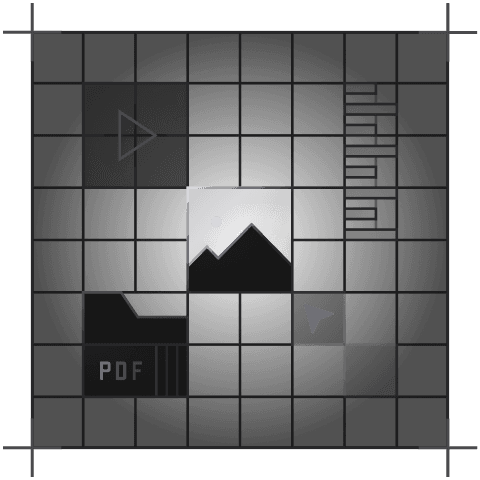
Better media management - showing the UI of being able to drag and drop and crop images

Better media management

A blazing-fast media library with first-class support for Cloudinary, Mux, Wistia and more. Upload, drag-and-drop, preview without wrestling with assets, and waiting for spins of doom.
Share on social media

Automated social sharing

Ever wanted to share one update, and automatically populate every social platform? Welcome to the future we've built that. Why should social media be a chore.
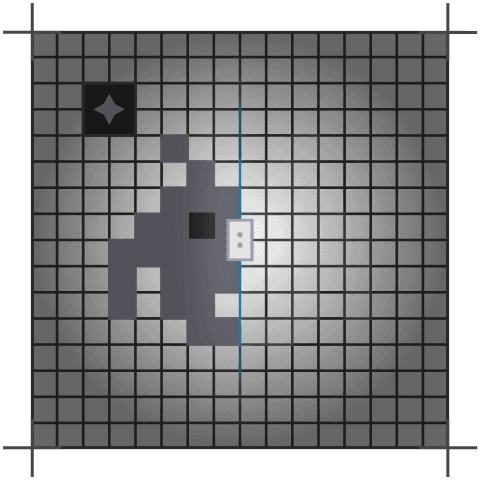
Image generation and optimisation, directly within Sanity CMS, showing a space alien getting optimised

Automated image generation

Sanity keeps your subject centred and sharp like a tiny author thumbnail or a full-page hero banner. There are no awkward crops, or chopped heads. Your visuals just look right everywhere.


Common questions

Uniform to Sanity migration FAQs

Answers to the most common questions about Uniform to Sanity migration

How do we migrate away from Uniform?
Uniform is an orchestration layer, not a traditional CMS, so migration means detangling it from the systems it sits on top of. Your actual content likely lives in a separate CMS, DAM, or commerce platform. The Uniform-specific parts, including composition layouts, personalisation rules, and A/B test configurations, need to be rebuilt in your target platform or replaced with dedicated tools. We typically spend 2 to 4 weeks on Uniform-specific teardown, on top of whatever migration the underlying content sources require.
Why do teams leave Uniform?
The price-to-value ratio is the most common complaint. Uniform's enterprise pricing is steep, and teams find they're paying premium rates for an abstraction layer that adds complexity rather than removing it. The learning curve is real. Teams consistently need weeks of onboarding to become productive, and the orchestration model introduces debugging overhead that frustrates both developers and content editors. When the contract comes up for renewal, many teams conclude they'd be better served by a simpler architecture.
Do we actually need a DXP like Uniform?
Probably not. We've worked with teams that adopted Uniform because they were managing content across 4 or 5 different systems and wanted a single editing interface. In practice, most of those teams would have been better off consolidating into one strong headless CMS and using it as the single source of truth. The "composable DXP" pitch sounds good in a sales deck, but it often means you're paying enterprise prices to glue together tools that could be replaced by a cleaner architecture. We're happy to audit your stack and give you an honest answer.
Why should we migrate to Sanity instead of another headless CMS?
Sanity's Live Content API means content goes live the instant you press publish, with zero caching issues. We've migrated teams from WordPress, Contentful, Drupal, and legacy platforms, and the consistent feedback is that the editorial experience is faster and more flexible. The schema-as-code approach means your content model is version-controlled alongside your codebase. Pricing starts free for small teams and scales predictably, unlike platforms that hit you with surprise API overage bills.
What does a migration to Sanity actually involve?
A typical migration has three phases. First, we map your existing content model to a Sanity schema, which usually takes 1 to 2 weeks depending on complexity. Second, we build automated migration scripts that transfer your content, media assets, and relationships. Third, we set up the frontend integration and editorial workflows. For a mid-sized site with 500 to 2,000 pages, the full process usually runs 4 to 8 weeks. We use our Turbo Start Sanity foundation to accelerate the setup so you're not starting from zero.
How long does it take before our content team is productive in Sanity?
Most editors are comfortable within the first week. Sanity's Presentation tool gives them a side-by-side live preview that feels intuitive, especially for teams used to visual page builders. The real-time collaboration means multiple editors can work on the same document without conflicts. We typically run a 2-hour onboarding session and provide a custom guide tailored to your specific content model. After that, editors rarely need developer support for day-to-day publishing.
How much does Sanity cost?
Sanity's Free plan includes 20 user seats, 10,000 documents, 1M CDN API requests, 250K regular API requests, 100GB of assets, and unlimited locales. The Growth plan is $15 per seat/month with 25,000 documents and the same API allowances, plus pay-as-you-go overages and 5 roles including Editor, Developer, and Contributor. Enterprise pricing is custom for organisations that need custom roles, SLAs, or private datasets. Most mid-size teams we work with stay well inside Growth's limits.


Get in touch

Fill out the form below and we'll get back to you