Case study
View case studyJamb
We rebuilt Jamb on Sanity and Next.js, merging two legacy PHP sites into one calm catalogue without losing the SEO equity their antique and reproduction collections had built up.



From Uniform to Framer
Last verified:
Key pain points
Uniform’s biggest problem is the price of admission. And once you're in, good luck breezing through the learning curve. Teams consistently need workshops, onboarding sessions, and a few existential crises to get comfortable with its orchestration layer.
Because it’s still a relatively young DXP, the ecosystem is thin. You won’t find the deep plugin libraries or community support you get with more established headless tools. Content teams also struggle with their mental model. Especially since the abstraction adds a layer of debugging that feels like fighting a boss battle before publishing a single page, and unless you’re on their higher tiers, expect features and limits that remind you this thing is very much built for enterprises… not anyone trying to stay under budget this decade.
High enterprise pricing barrier
Uniform sits behind an aggressively enterprise paywall, making even basic usage expensive unless you're already swimming in Fortune-500 budgets.

Complex learning curve
Its whole “experience orchestration” model takes time to wrap your head around. Your team won’t be productive on day one, or even week one.
Extensive training requirements
Marketers and developers both need onboarding and workflow retraining, which slows adoption and inflates your implementation cost.
Enterprise-tier feature limitations
A surprising number of essential features only unlock once you upgrade, which is frustrating when the base plan is already pricey.
Preview functionality gaps
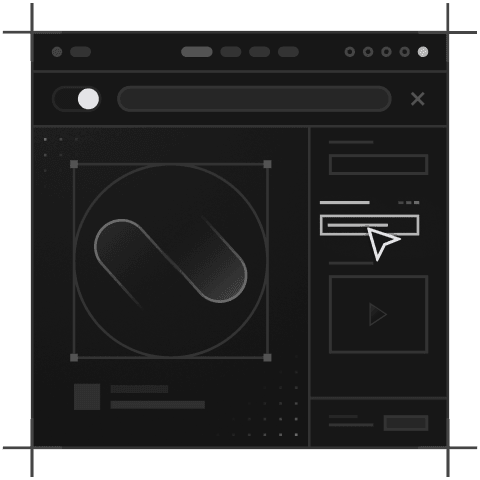
Content creators won’t love the limited, indirect preview setup. It’s nowhere near as smooth as modern CMSes with first-class real-time preview.

Integration complexity overhead
Uniform’s abstraction layer adds mental overhead and troubleshooting work when things break, especially if you're stitching together several backend systems.
Key advantages
If you live in Figma all day, Framer is the right choice for you. You can import your layouts, tweak a few interactions, hit publish, and suddenly you’ve “built a website” without ever opening VS Code. The no-code editor is fast, the animations look like you actually care about UI, and the built-in hosting + global CDN means you never have to touch a server or pretend you know what an SSL certificate is.
Multiple people can jump in, rewrite copy, adjust layouts, and preview the site instantly in real time with zero handoff pain, and “can you push this to staging?” nonsense. The SEO defaults are strong, images automatically behave, and performance is fast without you having to obsess over Lighthouse scores.
Can't knock the service, but we're here when you're looking to build something more scalable.
Ability to control layout with drag and drop
You can drag, drop, and publish without the need for any developer or having experience in website development. With Framer, you can easily turn your mockup into a working page.
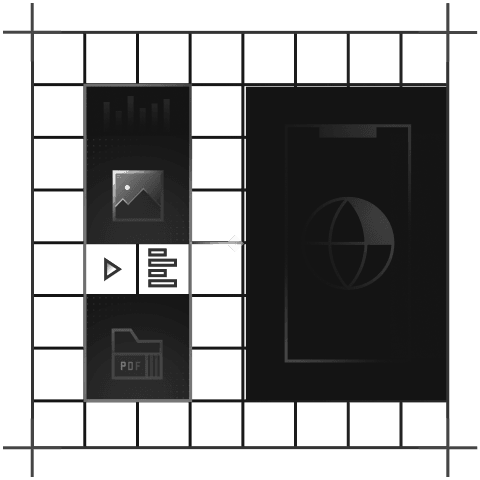
Quick and cheap to build something
If you need a site yesterday (and on a budget), go ahead with Framer. You can go from a Figma-level idea to a live marketing page in a few hours without writing any code or having developers wait on stand-ups.
Some optimization comes by default
Framer quietly handles things like image compression, semantic markup, and basic SEO hygiene. You ship quickly, and the site doesn't fall apart in Lighthouse analyses.
Huge library of themes
You can pick a template, tweak a few components, and you’re basically done. Its theme library is stacked, and most of it looks “portfolio ready” right out of the box.
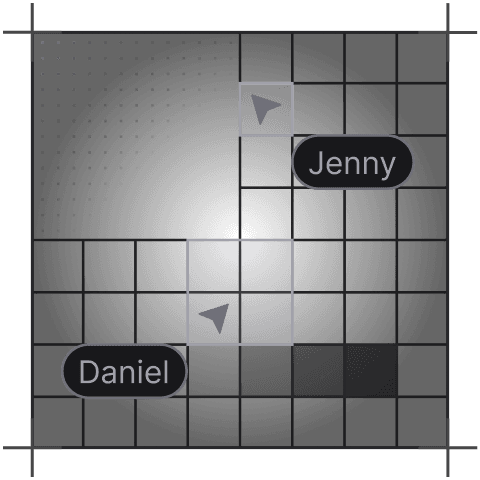
Real-time team collaboration
Multiple people can jump in, edit, comment, and tweak designs live like Figma. It speeds up feedback loops and kills the endless back-and-forth.
Intuitive, designer-friendly UI
If you know your way around Figma, you’ll be able to use Framer without any difficulty. Framer’s interface is simple, and keeps designers moving without begging a developer for help.
Tell us what you're building. We reply within one working day — Jono or someone on the team picks up every message personally.
Join the growing list of successful migrations