Case study
View case studyJamb
We rebuilt Jamb on Sanity and Next.js, merging two legacy PHP sites into one calm catalogue without losing the SEO equity their antique and reproduction collections had built up.



From Uniform to Directus
Last verified:
Key pain points
Uniform’s biggest problem is the price of admission. And once you're in, good luck breezing through the learning curve. Teams consistently need workshops, onboarding sessions, and a few existential crises to get comfortable with its orchestration layer.
Because it’s still a relatively young DXP, the ecosystem is thin. You won’t find the deep plugin libraries or community support you get with more established headless tools. Content teams also struggle with their mental model. Especially since the abstraction adds a layer of debugging that feels like fighting a boss battle before publishing a single page, and unless you’re on their higher tiers, expect features and limits that remind you this thing is very much built for enterprises… not anyone trying to stay under budget this decade.

High enterprise pricing barrier
Uniform sits behind an aggressively enterprise paywall, making even basic usage expensive unless you're already swimming in Fortune-500 budgets.

Complex learning curve
Its whole “experience orchestration” model takes time to wrap your head around. Your team won’t be productive on day one, or even week one.
Extensive training requirements
Marketers and developers both need onboarding and workflow retraining, which slows adoption and inflates your implementation cost.
Enterprise-tier feature limitations
A surprising number of essential features only unlock once you upgrade, which is frustrating when the base plan is already pricey.
Preview functionality gaps
Content creators won’t love the limited, indirect preview setup. It’s nowhere near as smooth as modern CMSes with first-class real-time preview.

Integration complexity overhead
Uniform’s abstraction layer adds mental overhead and troubleshooting work when things break, especially if you're stitching together several backend systems.
Key advantages
Directus instantly wins points with us because, well… it has a rabbit for a logo. But beyond that, it's genuinely a solid database-first CMS. If you like the idea of a CMS that sits directly on top of your SQL database without any abstractions, Directus feels incredibly natural.
You can self-host it, tweak it endlessly, and treat your schema exactly the way you want. Editors get a no-code admin UI that feels polished, developers get REST and GraphQL out of the box, and teams get workflows, versioning, automations, and proper permission controls. It's flexible, fast, and a great fit if your content is really just structured data waiting for a smarter interface. If your project revolves around relational data and you want total control from database to API, Directus is one of the cleanest ways to build it.
Intuitive non-technical interface
Editors get a clean, no-code admin panel that feels more like a productivity tool than a CMS. Non-technical teams can handle content updates without pinging developers every five minutes.
Database-agnostic SQL integration
Directus plugs straight into your SQL database and turns it into an API instantly. If your data lives in Postgres, MySQL, MariaDB, or SQLite, it just works.
Field-level permission controls
You can lock down every field, table, and action with granular role-based permissions. Perfect for teams that care about security and don't want interns accidentally deleting production data.
Built-in REST/GraphQL support
Your entire database is instantly exposed as both REST and GraphQL endpoints. Just plug into your frontend and start shipping.
Extensive UI customization
Directus lets you tweak the interface, add custom views, tailor layouts, and build the exact editing experience your team needs. It feels like a CMS you can actually shape instead of fight.
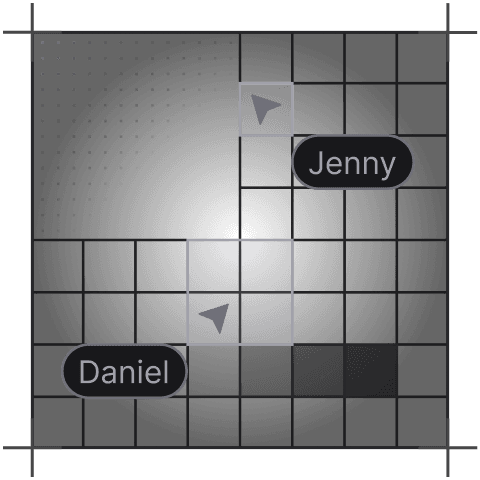
Real-time collaborative editing
Multiple contributors can work in the Studio at the same time without stepping on each other's toes. Collaborative editing shipped in February 2026, so drafts stay clean and the whole workflow feels built for modern teams, not 2010 intranets.
AI Assistant with image and PDF support
The built-in AI Assistant can process images and PDFs as well as text, and it works across OpenAI, Anthropic, and Google Gemini. It's a genuinely useful addition rather than a feature-list checkbox.
Tell us what you're building. We reply within one working day — Jono or someone on the team picks up every message personally.
Join the growing list of successful migrations