Case study
View case studyJamb
We rebuilt Jamb on Sanity and Next.js, merging two legacy PHP sites into one calm catalogue without losing the SEO equity their antique and reproduction collections had built up.



From Uniform to Builder.io
Last verified:
Key pain points
Uniform’s biggest problem is the price of admission. And once you're in, good luck breezing through the learning curve. Teams consistently need workshops, onboarding sessions, and a few existential crises to get comfortable with its orchestration layer.
Because it’s still a relatively young DXP, the ecosystem is thin. You won’t find the deep plugin libraries or community support you get with more established headless tools. Content teams also struggle with their mental model. Especially since the abstraction adds a layer of debugging that feels like fighting a boss battle before publishing a single page, and unless you’re on their higher tiers, expect features and limits that remind you this thing is very much built for enterprises… not anyone trying to stay under budget this decade.

High enterprise pricing barrier
Uniform sits behind an aggressively enterprise paywall, making even basic usage expensive unless you're already swimming in Fortune-500 budgets.

Complex learning curve
Its whole “experience orchestration” model takes time to wrap your head around. Your team won’t be productive on day one, or even week one.

Extensive training requirements
Marketers and developers both need onboarding and workflow retraining, which slows adoption and inflates your implementation cost.

Enterprise-tier feature limitations
A surprising number of essential features only unlock once you upgrade, which is frustrating when the base plan is already pricey.

Preview functionality gaps
Content creators won’t love the limited, indirect preview setup. It’s nowhere near as smooth as modern CMSes with first-class real-time preview.

Integration complexity overhead
Uniform’s abstraction layer adds mental overhead and troubleshooting work when things break, especially if you're stitching together several backend systems.
Key advantages
Builder.io occupies a unique spot in the headless CMS landscape. It is not really a traditional headless CMS in the way that Sanity or Contentful are. It is more of a visual page builder with headless capabilities bolted on. That distinction matters because if your marketing team needs to ship landing pages fast without filing Jira tickets, Builder.io genuinely delivers on that promise. The drag-and-drop editor is solid, and the ability to register your own React components so that non-developers can compose pages from your actual design system is a legitimately powerful idea.
Where Builder.io really shines is in bridging the gap between developers and marketing teams. You build the components, register them with Builder, and then hand the keys over. Marketers can assemble pages, run A/B tests, and publish without touching code. For agencies like ours, this means fewer "can you just move this banner" tickets and more time spent on actual engineering work.
The framework support is also genuinely broad. Next.js, React, Angular, Vue, Svelte, Qwik, SolidJS, and React Native all have SDKs. If you are running a modern JavaScript stack, Builder.io probably has an integration for it. The AI features they have been shipping are interesting too, though still early days in terms of real production reliability.
Visual drag-and-drop editor
The visual editor lets non-technical users build and edit pages using your actual codebase components. It is one of the better implementations of visual editing in the headless space.
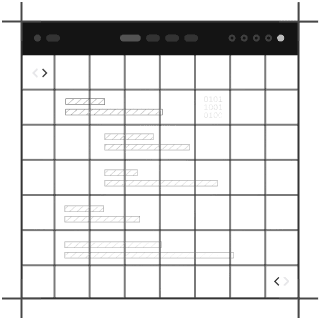
Custom component registration
Developers can register their own React, Vue, or Angular components so editors drag and drop real design system pieces rather than generic blocks.

A/B testing and personalisation built in
Native experimentation tools let marketing teams run split tests and personalise content without needing a separate optimisation platform.

Broad framework support
SDKs for Next.js, React, Angular, Vue, Svelte, Qwik, SolidJS, and React Native mean you are not locked into a single frontend framework.
Marketing team autonomy
Content and marketing teams can ship landing pages, campaign pages, and promotions independently, which frees up developer time for product work.
Structured and visual content modes
Builder.io supports both structured data models for developer-driven content and visual page building for marketing-driven content, giving teams flexibility in how they work.
Tell us what you're building. We reply within one working day — Jono or someone on the team picks up every message personally.
Join the growing list of successful migrations