Case study
View case studyJamb
We rebuilt Jamb on Sanity and Next.js, merging two legacy PHP sites into one calm catalogue without losing the SEO equity their antique and reproduction collections had built up.



From Uniform to BaseHub
Last verified:
Key pain points
Uniform’s biggest problem is the price of admission. And once you're in, good luck breezing through the learning curve. Teams consistently need workshops, onboarding sessions, and a few existential crises to get comfortable with its orchestration layer.
Because it’s still a relatively young DXP, the ecosystem is thin. You won’t find the deep plugin libraries or community support you get with more established headless tools. Content teams also struggle with their mental model. Especially since the abstraction adds a layer of debugging that feels like fighting a boss battle before publishing a single page, and unless you’re on their higher tiers, expect features and limits that remind you this thing is very much built for enterprises… not anyone trying to stay under budget this decade.

High enterprise pricing barrier
Uniform sits behind an aggressively enterprise paywall, making even basic usage expensive unless you're already swimming in Fortune-500 budgets.

Complex learning curve
Its whole “experience orchestration” model takes time to wrap your head around. Your team won’t be productive on day one, or even week one.

Extensive training requirements
Marketers and developers both need onboarding and workflow retraining, which slows adoption and inflates your implementation cost.
Enterprise-tier feature limitations
A surprising number of essential features only unlock once you upgrade, which is frustrating when the base plan is already pricey.
Preview functionality gaps
Content creators won’t love the limited, indirect preview setup. It’s nowhere near as smooth as modern CMSes with first-class real-time preview.

Integration complexity overhead
Uniform’s abstraction layer adds mental overhead and troubleshooting work when things break, especially if you're stitching together several backend systems.
Key advantages
BaseHub CMS is generating buzz among developers for its fast, collaborative, and AI-powered environment. We really like the Notion style editor. Feels great to drop a / and you type in what you want. E.g heading, or bullet points etc.
It's pretty good for creating and organizing content. Even for teams that are new to CMS platforms. Features like easy nested repeater fields, real-time branching for team workflows, and seamless GraphQL integration impress both solo makers and growing agencies. The platform’s Typesafe approach and AI-assisted writing tools help speed up the publishing process, while modern UI design keeps the learning curve gentle for newcomers.
If you can handle the initial information overload when you first spin up an environment it's an incredible tool for collaboration and rapid site scaffolding.
They also have a pretty good freemium pricing model (nodody has as good as Sanity) and strong documentation help projects get off the ground quickly, especially for Next.js and React use cases. Frequent updates and community engagement is high, and the core team that built it, are from a really nice design focused agency. So can't knock it that much.
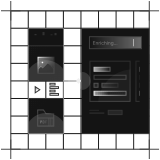
Intuitive Notion-style editor
If you can use Notion, you can get content into BaseHub without begging a developer for help. It is light, fast and easy to navigate
Effortless nested repeater fields
You can nest and stack content structures. It’s one of the few tools where complex schemas don’t instantly become a crime scene.
Real-time content branching
Branching lets teams experiment, test ideas, and push updates without breaking production. Preview changes instantly, merge when ready, panic never.
Ready-to-use GraphQL integration
BaseHub ships with clean, auto-generated GraphQL APIs, so developers don’t waste hours wiring resolvers or schema stitching. Query, fetch, and ship.
Typesafe SDK support
You get fully typed responses out of the box, which means fewer runtime surprises and a smoother dev experience. Your IDE becomes your safety net.
Collaborative team workflows
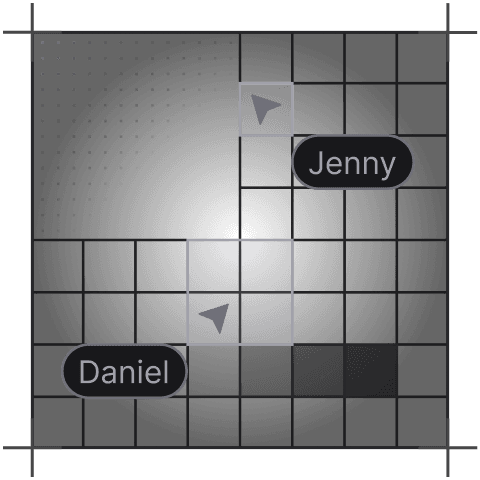
Teams can work together without stepping on each other’s toes, with clean approval flows and role-based editing. It’s built for fast-moving content teams.
Tell us what you're building. We reply within one working day — Jono or someone on the team picks up every message personally.
Join the growing list of successful migrations