Case study
View case studyJamb
We rebuilt Jamb on Sanity and Next.js, merging two legacy PHP sites into one calm catalogue without losing the SEO equity their antique and reproduction collections had built up.



From Tina CMS to Framer
Last verified:
Key pain points
Tina's biggest limitation is that it's fundamentally tied to the React ecosystem. If you want visual editing, you need a React-based framework like Next.js. Basic content editing works with Astro, Hugo, SvelteKit, and others, but the flagship visual experience is React-only. There's been talk of Vue support for years, but nothing has materialised. This is a hard blocker for agencies like us that work across different tech stacks. The platform has also had a notable history: SSW acquired the project in May 2024, and a security breach in late 2024 involved compromised AWS keys via the CI/CD pipeline. These events, combined with the relatively small community, are worth weighing when evaluating Tina for long-term enterprise projects.
On the practical side, developers report frustrating instability in the dev environment. The admin interface can break without any changes to your codebase because it depends on externally loaded assets that update independently. Error handling is weak — forms fail to save silently, and the GraphQL layer doesn't surface errors cleanly. Self-hosting removes the TinaCloud dependency but comes with its own gaps: no search functionality, no Git LFS support, and reference fields can timeout on large collections.
The editing experience, while impressive in demos, can feel fragile in production. Multiple developers have reported losing work in the editor, and features like branch-based editing are locked behind paid tiers. For agencies managing multiple client projects, the React-only constraint and relatively small community (compared to Sanity, Strapi, or Contentful) mean fewer resources, fewer integrations, and more time spent solving problems yourself.
Visual editing limited to React
TinaCMS supports many frameworks including Astro, Hugo, Jekyll, SvelteKit, and Nuxt for basic content editing. However, the visual/inline editing experience, which is Tina's main selling point, only works with React-based frameworks like Next.js.

Unstable development environment
The dev server can break unpredictably because it loads external assets that change independently of your codebase. This makes local development feel unreliable and hard to debug.
Poor error handling and silent failures
Forms can fail to save without any visual indicator, and GraphQL errors aren't surfaced clearly. Losing work without warning is a real risk, especially for content editors.

Branch editing requires paid tier
Multi-branch support isn't available out of the box — it's locked behind the paid editorial workflow feature. You can't test content changes in deploy previews without paying up.

Self-hosting gaps
The self-hosted backend lacks search functionality, Git LFS support, and pagination on reference fields. Large collections can cause network timeouts.
Small ecosystem
Compared to established players like Sanity or Contentful, Tina has a smaller community and fewer plugins. Since the SSW acquisition in May 2024, the project has been actively maintained with regular releases, but the ecosystem is still catching up.
Key advantages
If you live in Figma all day, Framer is the right choice for you. You can import your layouts, tweak a few interactions, hit publish, and suddenly you’ve “built a website” without ever opening VS Code. The no-code editor is fast, the animations look like you actually care about UI, and the built-in hosting + global CDN means you never have to touch a server or pretend you know what an SSL certificate is.
Multiple people can jump in, rewrite copy, adjust layouts, and preview the site instantly in real time with zero handoff pain, and “can you push this to staging?” nonsense. The SEO defaults are strong, images automatically behave, and performance is fast without you having to obsess over Lighthouse scores.
Can't knock the service, but we're here when you're looking to build something more scalable.
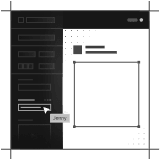
Ability to control layout with drag and drop
You can drag, drop, and publish without the need for any developer or having experience in website development. With Framer, you can easily turn your mockup into a working page.
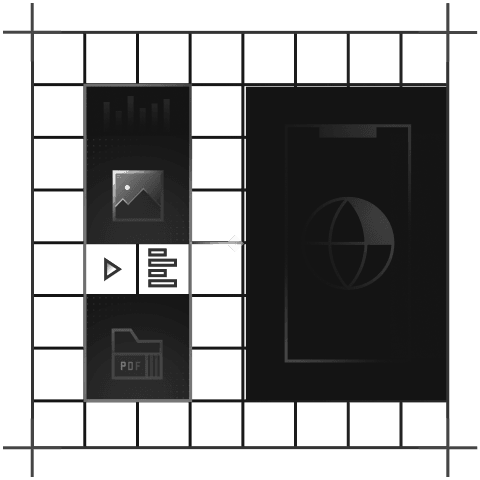
Quick and cheap to build something
If you need a site yesterday (and on a budget), go ahead with Framer. You can go from a Figma-level idea to a live marketing page in a few hours without writing any code or having developers wait on stand-ups.
Some optimization comes by default
Framer quietly handles things like image compression, semantic markup, and basic SEO hygiene. You ship quickly, and the site doesn't fall apart in Lighthouse analyses.
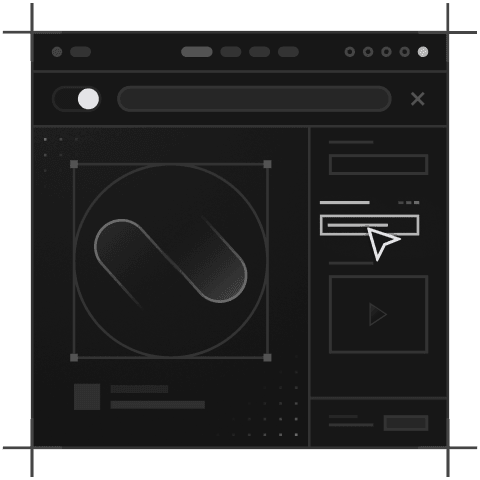
Huge library of themes
You can pick a template, tweak a few components, and you’re basically done. Its theme library is stacked, and most of it looks “portfolio ready” right out of the box.
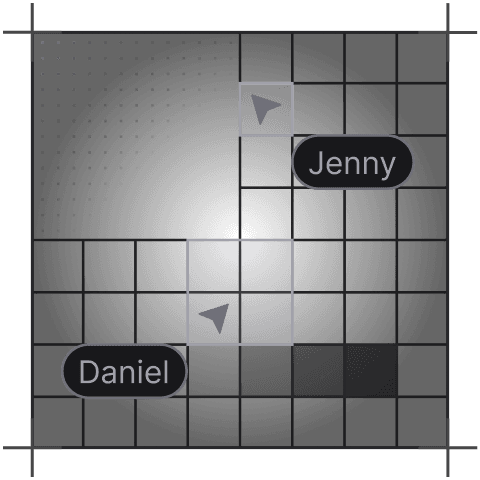
Real-time team collaboration
Multiple people can jump in, edit, comment, and tweak designs live like Figma. It speeds up feedback loops and kills the endless back-and-forth.
Intuitive, designer-friendly UI
If you know your way around Figma, you’ll be able to use Framer without any difficulty. Framer’s interface is simple, and keeps designers moving without begging a developer for help.
Tell us what you're building. We reply within one working day — Jono or someone on the team picks up every message personally.
Join the growing list of successful migrations