Case study
View case studyJamb
We rebuilt Jamb on Sanity and Next.js, merging two legacy PHP sites into one calm catalogue without losing the SEO equity their antique and reproduction collections had built up.



From Strapi to Uniform
Last verified:
Key pain points
Strapi has a fan club because it’s self-hosted, which sounds great until you realise that means you are now responsible for every update, every backup, every scaling issue, and every “why is the server down again?” moment.
Wouldn’t it be easier to use a cloud infrastructure that just… scales, instead of babysitting infra at midnight? And having to maintain a Node.js environment for your content editors is completely unnecessary pain, in our opinion.
It also isn’t exactly friendly for non-technical teams. If you don’t have solid developer talent, the learning curve hits hard, and even simple customisations can turn into “let’s build this from scratch” moments. Plugins help, but not always, and you’ll quickly run into gaps that require custom development. Add the lack of traditional CMS features out of the box, and setup time (and costs) spiral fast.
If you're set on Strapi, fine! Just let us look at it first so we can tell you whether it's actually doable or whether you're about to become a full-time system admin by accident.

Steep learning curve
Strapi looks simple at first, then politely reminds you it’s a developer-first tool. Non-technical teams usually hit a wall long before they hit publish.
Node.js knowledge required
If your team, especially your content team, doesn’t speak Node.js, prepare for a few “so… what does this error mean?” moments. Strapi assumes you’re comfortable under the hood.
Limited traditional CMS features
Things that come out-of-the-box in classic CMSs often need custom setup here. If you’re expecting plug-and-play page building, Strapi is not for you.
Custom development needs
If you need anything slightly beyond the basics, it quickly drifts into “can we ask a developer to build this?” territory. Great for flexibility, not so great for speed.
Plugin limitations
The plugin ecosystem is growing, but not everything works flawlessly, and some gaps still require hand-rolled solutions, which means more dev time than you planned.
Cost-efficiency concerns
Sure, Strapi is free… until you factor in hosting, DevOps, scaling, and ongoing maintenance. “Open-source” doesn’t always mean “cheap.”
Key advantages
Uniform positions itself as a “composable DXP,” which is enterprise-speak for “it does a bit of everything on top of your actual CMS.” To be fair, the visual workspace is genuinely useful. Marketers get drag-and-drop control, personalization, and A/B testing without pinging developers every five minutes. And if you’re already juggling multiple systems (CMS, commerce, DAM), the orchestration layer can tidy up the chaos.
That said… we’ll be honest, we don’t really build with DXPs like this anymore. Whenever a headless tool starts shouting “DXP” from the homepage, it usually means heavyweight architecture, unnecessary complexity, and a bill only Fortune 500 companies would smile at. If you’re considering it anyway, feel free to get in touch. We’ll happily walk you through better, modern alternatives before you sink a quarter’s budget into something you probably don’t need.
Visual experience composition
Uniform’s visual builder lets marketers piece together pages without pinging developers every 5 minutes. It’s basically a drag-and-drop layer on top of your headless stack.
Multi-source content federation
Uniform pulls content from multiple CMSs, DAMs, and commerce tools into one interface, so you don’t need 10 tabs open to build a single page
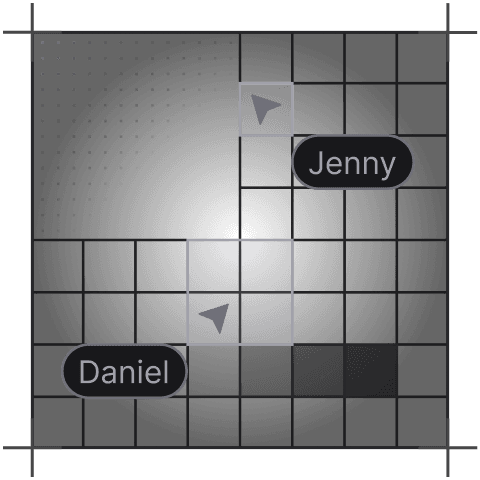
Real-time collaboration tools
Teams can edit, plan, and experiment together without overwriting each other’s work. It’s built for big organisations where ten people touching the same page is a weekly occurrence.
Enterprise-grade scalability
Uniform is built to handle traffic spikes and heavy personalisation workloads. It’s overkill for small sites but a safe bet for enterprises terrified of a Black Friday outage.
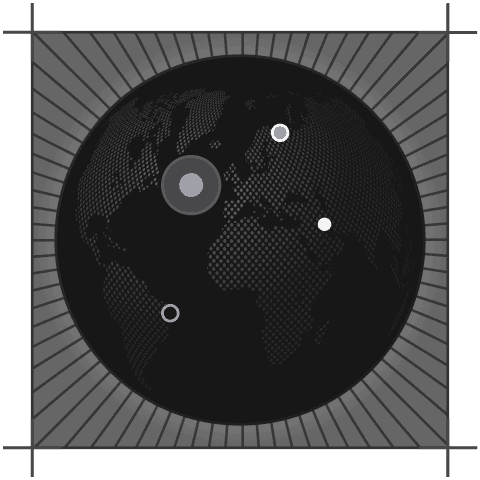
Omnichannel content management
You can pipe the same content across web, apps, and any other channel marketing dreams up. Useful for brands juggling multiple experiences without wanting to rebuild the same page three times.
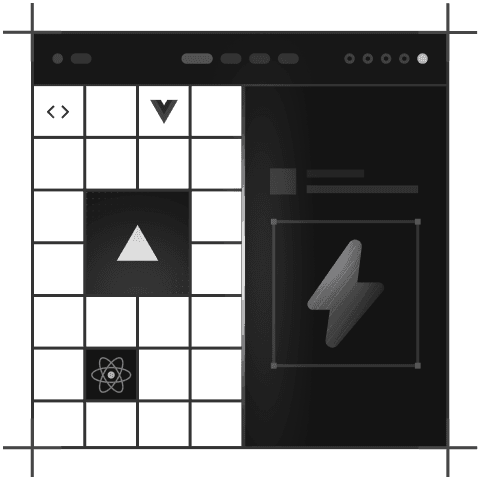
Built-in A/B testing
Uniform ships with native testing and targeting, so teams can experiment without gluing together half a dozen tools. It’s marketer-friendly and fast.
Tell us what you're building. We reply within one working day — Jono or someone on the team picks up every message personally.
Join the growing list of successful migrations