Slingshot Bio
Roboto converged Slingshot Bio's WordPress and Shopify sites into one headless Shopify build on Next.js and Sanity, instrumented end to end and AI-ready.
View case study


From Storyblok to Ghost
Last verified:
The process
First we check the existing Storyblok and see whether the data is clean enough to move straight over to Ghost, and plan around any auth walls or bot protection in the way.
Then we work out how Storyblok renders its pages and pull the content out, even without CMS access.
Everything extracted runs through our sanitization pipeline, which flags slop, normalizes structure, and leaves us clean content to work with.
Before anything moves, we agree the Ghost content model with you, shaped around how your editors actually work.
We transform the content to the agreed schema and run a full dry run, so mappings and edge cases prove out before production.
Once the dry run is clean, everything moves into Ghost in one controlled cutover.
Every old URL gets mapped to its new home with the right redirect, so rankings and link equity survive the move.
Finally, automated browsers sweep the new site for data issues, design regressions, and missing SEO signals.
Key pain points
Storyblok is not our first recommendation for a headless CMS. The product looks polished, but documentation sprawl makes initial setup harder than it should be, and non-technical editors routinely get lost navigating spaces, stories, and nested components.
Pricing is the bigger issue. Extra locales are $20/month each, extra seats are $15/month each, and custom roles, SSO, and the GraphQL API are all gated behind the custom-priced Premium and Elite plans. Teams on Growth ($99/month) often end up on Growth Plus ($349/month) not because they want the extra features, but because they hit an API request or locale limit.
You'll also lean on third-party integrations for a lot of ordinary tasks, which means more code paths to maintain. Webhook behavior has changed between releases without clear deprecation notices. The platform works fine once it's set up. Getting there just takes more engineering than the marketing suggests.

Customization can take effort
Storyblok can do almost anything, but sometimes the "how" involves developer time, CLI commands, or manual tweaking. Great control, just not always plug-and-play.
Some integrations need extra work
For things like CRMs or complex platforms, you’ll likely build the integration instead of installing it. Expect a bit more engineering.
Slower editing
Real-time previews are great, but large pages or heavy components can load slowly. Occasionally, the editor UI feels less intuitive than the rest of the platform.

Asset management isn’t perfect
Renaming assets, bulk editing, or cleaning libraries can take longer than expected. It doesn't feel as polished as the rest of the system.
Permissions are fixed
Roles are predefined. For smaller teams, that’s perfectly fine. Bigger teams may want more granular access controls than Storyblok currently offers.

Pricing jumps with scale
You get a free tier, but some advanced features sit behind higher plans. It’s worth it for projects if you want to pay more; just something teams should budget for early.
Key advantages
Ghost is genuinely great if all you want is a fast, clean, no-nonsense blogging machine. It keeps things beautifully simple: a slick Markdown editor, zero clutter, and performance scores so good they’ll make WordPress users cry into their PHP logs. If your plan is "just publish content," Ghost actually gets out of your way and lets you do that.
The built-in memberships and payments system is also a win. You can slap a paywall on your content, charge people to read your mediocre hot takes, and do it all without duct-taping together 12 plugins. For solo creators, small publications, and anyone who wants a simple writing-first experience, Ghost delivers exactly what it promises and nothing you didn’t ask for.
Lightweight JSON API
Ghost’s API is fast, predictable, and doesn’t make you fight a schema just to fetch a title. It’s perfect for JAMStack setups where you want speed without ceremony. Pull content, ship pages, move on with your life.
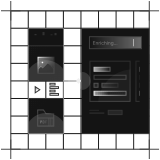
Intuitive Markdown editor
If you enjoy writing without 19 toolbars screaming at you, Ghost’s Markdown editor is bliss. Clean, distraction-free, and actually enjoyable to use.
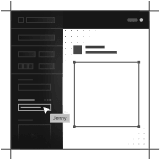
Built-in membership system
Memberships, paywalls, and subscriptions come built in, no plugin Frankenstein required. Hook up Stripe and you’re basically running your own mini-Substack in minutes.
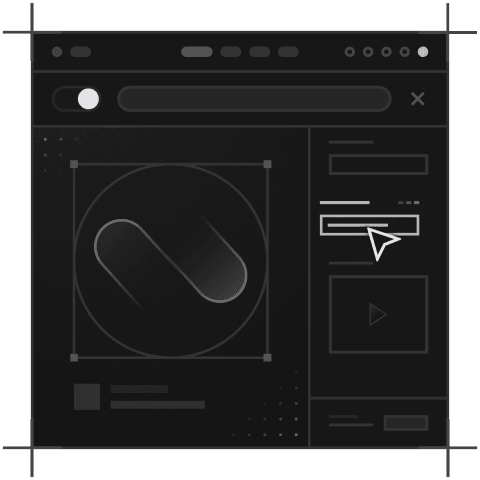
SEO-friendly defaults
Ghost ships with fast performance, clean URLs, structured data, and proper metadata, without needing an SEO plugin the size of a small country. Most sites hit solid scores straight out of the box.
Native subscription support
You don’t need 3 SaaS tools duct-taped together to run a newsletter. Ghost handles email delivery, subscriber lists, and automated posts natively.
Easy theme customization
Themes are simple to tweak thanks to Ghost’s handlebars-based templates. If you know basic HTML/CSS, you can make it look exactly how you want without fighting a visual builder from 2011.
Tell us what you're building. We reply within one working day. Jono or someone on the team picks up every message personally.
Join the growing list of successful migrations