Slingshot Bio
Roboto converged Slingshot Bio's WordPress and Shopify sites into one headless Shopify build on Next.js and Sanity, instrumented end to end and AI-ready.
View case study


From Sanity to Craft CMS
Last verified:
The process
First we check the existing Sanity and see whether the data is clean enough to move straight over to Craft CMS, and plan around any auth walls or bot protection in the way.
Then we work out how Sanity renders its pages and pull the content out, even without CMS access.
Everything extracted runs through our sanitization pipeline, which flags slop, normalizes structure, and leaves us clean content to work with.
Before anything moves, we agree the Craft CMS content model with you, shaped around how your editors actually work.
We transform the content to the agreed schema and run a full dry run, so mappings and edge cases prove out before production.
Once the dry run is clean, everything moves into Craft CMS in one controlled cutover.
Every old URL gets mapped to its new home with the right redirect, so rankings and link equity survive the move.
Finally, automated browsers sweep the new site for data issues, design regressions, and missing SEO signals.
Key pain points
We obviously prefer Sanity, so much so that our own website is on Sanity. But if you don't have the right implementation team, you might find yourself in a bad situation. Its highly customizable nature can lead to complexity and time-consuming setup processes for less experienced developers. We've inherited our fair share of stinkers, but we advise that before you jump ship, you let us look over it to see if it's salvageable.
That said, if you are considering moving, we can help you migrate away with automated migration scripts, web scraping, and content mapping. It'll be a 1:1 with whatever platform you choose.
Not always plug-and-play
Sanity gives you a ton of flexibility, but it’s not a "drag-and-drop" CMS. If your team prefers instant themes and presets, you’ll need a little extra setup to get started.
Potentially high resource demand
As your content model grows, Sanity gives you incredible power and real-time performance. Just keep in mind that very large projects may require a bit more horsepower behind the scenes.

Less ideal for beginners
Editors love Sanity once everything is set up, but teams switching from traditional CMSs may need a short onboarding period to learn the workflow.
Infrastructure management needed
Unlike hosted CMS platforms, you own your content pipeline. That gives you full control and scalability, but also means setup and environments need to be managed properly.
Technical skill required
Since Sanity is schema-driven, developers can model content precisely the way your business needs it. Non-technical teams benefit from that structure, but setup usually requires engineering support.
Complexity in setup
Sanity doesn’t force rigid templates or assumptions. You have to define everything like content, structure, and workflows. The tradeoff: a bit more initial setup for much more flexibility long-term.
Key advantages
Craft CMS is one of those platforms we genuinely respect from a developer standpoint. The content modeling is best-in-class for a traditional CMS. You define sections, entry types, and fields with real precision, and the authoring experience maps cleanly to the underlying data structure. If your content team needs a CMS that actually reflects how the site is built, Craft delivers that better than most. The Twig templating layer is clean and predictable, and the admin UI is fast and intuitive once editors get past the initial learning curve.
Where Craft really shines is in the middle ground between simple marketing sites and full-blown enterprise builds. It's flexible enough to handle complex content architectures without the bloat of something like WordPress, and the built-in GraphQL API means you can use it headless if you want to pair it with a modern frontend. The plugin ecosystem is smaller but noticeably higher quality than what you'd find in WordPress, and the Composer-based workflow means your whole project can live in version control properly.
We've seen agencies build genuinely impressive work on Craft, especially for content-heavy sites where editorial workflows matter. If your team includes developers and you want a CMS that rewards careful architecture, Craft is a solid choice. It's not trying to be everything to everyone, and that focus shows.
That said, we'd typically recommend a headless CMS like Sanity for most of the projects we take on. Craft is at its best when you're comfortable with PHP and want a tightly integrated traditional or hybrid setup. If you're building on Next.js or a modern JavaScript stack, you'll find more natural fits elsewhere.
Exceptional content modeling
Craft's field and section system gives you precise control over your content structure. You can model complex relationships between content types without fighting the CMS.
Clean authoring experience
The admin panel is fast, well-organized, and maps directly to how content is structured. Editors can work efficiently once they understand the layout.
Built-in GraphQL API
Craft ships with a native GraphQL API, so you can use it headless without plugins or workarounds. It's deeply integrated and well-documented.
Composer-based modern workflow
Everything is managed through Composer, so your project, plugins, and dependencies all live in version control. Deployments through CI/CD pipelines work smoothly.
Higher quality plugin ecosystem
The plugin store is smaller than WordPress but the quality bar is noticeably higher. Plugins are better maintained and less likely to break your site on update.
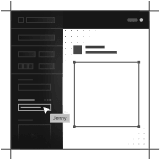
Granular user permissions
Built-in role and permission management is detailed and flexible. You can lock down exactly what each editor can see and do without needing third-party plugins.
Not sold on moving? Sometimes the platform is fine and the build is the problem. We also fix Sanity sites in place.
Sanity development agencyTell us what you're building. We reply within one working day. Jono or someone on the team picks up every message personally.
Join the growing list of successful migrations