Magnolia logo
Sanity logo

From Magnolia to Sanity

We are the Magnolia to Sanity migration experts

Last verified:


Challenges with Magnolia

Key pain points

Magnolia is the definition of “enterprise for the sake of enterprise.” The setup is heavy, the learning curve is brutal, and unless you have a Java team lying around, good luck getting anything done without burning through budget. The proprietary modules lock you in fast, integrations feel like a maze, and the admin interface slows to a crawl once you start dealing with real content volume. The pricing is expensive, opaque, and somehow still manages to feel bad value. If you're not a Fortune 500 with a tolerance for pain, it’s a project risk.

And honestly, who even uses Java anymore?

Help me migrate


Steep Java learning curve

Steep Java learning curve

Magnolia expects your team to be fluent in Java and its ecosystem, which slows onboarding and makes even simple tasks feel heavier than they should.
Resource-intensive setup

Resource-intensive setup

It demands serious infrastructure and long setup cycles, which immediately rules it out for teams that expect fast iteration or modern DevOps workflows.
A dark grid background with a security shield and a fuzzy white shape containing a gray circle.

Vendor lock-in concerns

Once you're in, you're in. Magnolia’s proprietary modules make moving away painful, expensive, and often not worth the engineering time.
Complex third-party integration

Complex third-party integration

Connecting Magnolia with modern tools and APIs isn’t straightforward, usually requiring custom Java work instead of simple plug-and-play integrations.
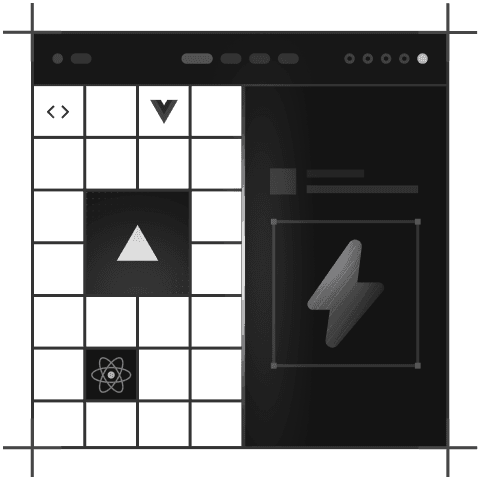
A dark UI of a web development environment with component icons and a lightning bolt graphic.

Native subscription support

Licensing is firmly enterprise-tier, with opaque pricing and steep annual fees that can balloon quickly, a bad fit unless you're Fortune 500.

Proprietary module reliance

Proprietary module reliance

Key features live behind Magnolia’s own tightly controlled modules, limiting flexibility and forcing teams to work the “Magnolia way” instead of choosing best-in-class tools.


Benefits of Sanity

Key advantages

You know where our bias' lies. We think Sanity is literally the best headless content management out there. The schema is code-based, so it can be easily versioned, scaled, and extended without a heap of third-party hoops to jump. Providing you build it with a solid foundation, which we always recommend Turbo Start Sanity, it's going to be the most valuable hub for content you can imagine.

It's got a very unique tooling called the Live Content API, which in simple terms means

when you press publish, its live.

No issues with caching, and a single API usage that scales perfectly with multichannel content delivery.

It also offers one of the best editorial experiences in the industry with Presentation and customizable content structures. We're obviously huge fans of it, and we've pivoted our business with it when we realised how ahead it is.
Start my migration


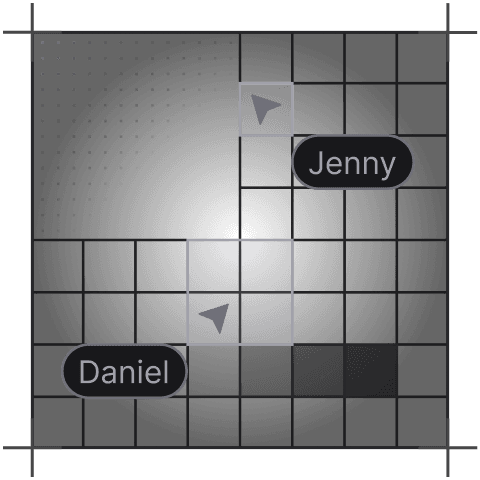
Multiplayer - multiple users editing the same blocks at the same time

Real time collaboration

You write, your teammate tags in, adds citations, and updates the same doc without stepping on each other. It’s the fastest way to ship content without the “who has edit access?” chaos.
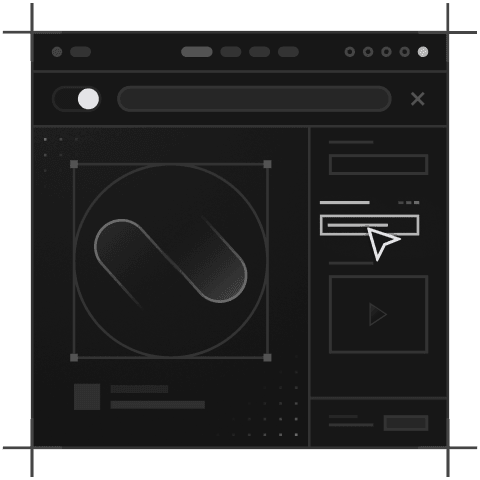
Live content API and presentation editor - a way to be able to edit things side by side, directly within Sanity

Live preview block building

With Sanity, you don’t have to guess what your page might look like. Real-time previews update the moment you type. It’s a 1:1 mirror of your site before it ever goes live, so your campaigns look right the first time.

Meta tags and structured content help to build websites, UI showing the ability to edit granularly

Meta tags, structured content

Sanity’s structured content gives Google clean data and rich schema, so your pages surface higher without manual hacking. Automated schema, smarter metadata, and better rankings.

Better media management - showing the UI of being able to drag and drop and crop images

Better media management

A blazing-fast media library with first-class support for Cloudinary, Mux, Wistia and more. Upload, drag-and-drop, preview without wrestling with assets, and waiting for spins of doom.

Share on social media

Automated social sharing

Ever wanted to share one update, and automatically populate every social platform? Welcome to the future we've built that. Why should social media be a chore.
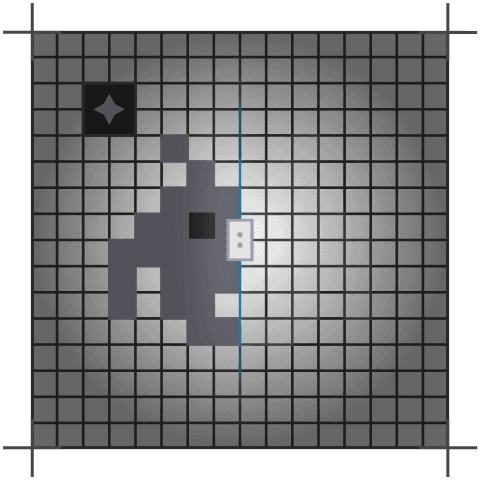
Image generation and optimisation, directly within Sanity CMS, showing a space alien getting optimised

Automated image generation

Sanity keeps your subject centred and sharp like a tiny author thumbnail or a full-page hero banner. There are no awkward crops, or chopped heads. Your visuals just look right everywhere.


Common questions

Magnolia to Sanity migration FAQs

Answers to the most common questions about Magnolia to Sanity migration

How long does it take to migrate away from Magnolia CMS?
Magnolia migrations are among the most involved we handle. The Java-based architecture, proprietary modules, and tightly coupled workflows mean there's no quick extract-and-import path. Content needs to be exported from Magnolia's JCR (Java Content Repository), transformed, and loaded into your target platform. For a mid-sized enterprise site with 1,000 to 5,000 pages, expect 8 to 16 weeks. The timeline depends heavily on how many proprietary modules your team has adopted and how complex your multi-site setup is.
Why do companies leave Magnolia?
Cost and agility are the two main drivers. Magnolia's enterprise licensing is opaque and expensive, with annual fees that balloon as you add modules and environments. Teams also get frustrated by the Java dependency. Finding and retaining Java CMS developers is harder and more expensive every year, especially when modern headless platforms let teams build with JavaScript and TypeScript instead. The vendor lock-in from proprietary modules makes the decision feel overdue by the time teams finally commit to migrating.
Can we migrate from Magnolia to a headless CMS without losing our multi-site setup?
Yes, but the approach changes. Magnolia handles multi-site through its own orchestration layer, while headless platforms like Sanity use workspace configurations or project-level separation. We rebuild multi-site architectures using the target CMS's native multi-tenancy features. The content migration itself is the simpler part. The harder work is re-implementing your personalisation rules, approval workflows, and permission structures outside of Magnolia's proprietary ecosystem.
Why should we migrate to Sanity instead of another headless CMS?
Sanity's Live Content API means content goes live the instant you press publish, with zero caching issues. We've migrated teams from WordPress, Contentful, Drupal, and legacy platforms, and the consistent feedback is that the editorial experience is faster and more flexible. The schema-as-code approach means your content model is version-controlled alongside your codebase. Pricing starts free for small teams and scales predictably, unlike platforms that hit you with surprise API overage bills.
What does a migration to Sanity actually involve?
A typical migration has three phases. First, we map your existing content model to a Sanity schema, which usually takes 1 to 2 weeks depending on complexity. Second, we build automated migration scripts that transfer your content, media assets, and relationships. Third, we set up the frontend integration and editorial workflows. For a mid-sized site with 500 to 2,000 pages, the full process usually runs 4 to 8 weeks. We use our Turbo Start Sanity foundation to accelerate the setup so you're not starting from zero.
How long does it take before our content team is productive in Sanity?
Most editors are comfortable within the first week. Sanity's Presentation tool gives them a side-by-side live preview that feels intuitive, especially for teams used to visual page builders. The real-time collaboration means multiple editors can work on the same document without conflicts. We typically run a 2-hour onboarding session and provide a custom guide tailored to your specific content model. After that, editors rarely need developer support for day-to-day publishing.
How much does Sanity cost?
Sanity's Free plan includes 20 user seats, 10,000 documents, 1M CDN API requests, 250K regular API requests, 100GB of assets, and unlimited locales. The Growth plan is $15 per seat/month with 25,000 documents and the same API allowances, plus pay-as-you-go overages and 5 roles including Editor, Developer, and Contributor. Enterprise pricing is custom for organisations that need custom roles, SLAs, or private datasets. Most mid-size teams we work with stay well inside Growth's limits.


Get in touch

Fill out the form below and we'll get back to you