Magnolia logo
Hubspot CMS logo

From Magnolia to HubSpot CMS

We are the Magnolia to HubSpot CMS migration experts

Last verified:


Challenges with Magnolia

Key pain points

Magnolia is the definition of “enterprise for the sake of enterprise.” The setup is heavy, the learning curve is brutal, and unless you have a Java team lying around, good luck getting anything done without burning through budget. The proprietary modules lock you in fast, integrations feel like a maze, and the admin interface slows to a crawl once you start dealing with real content volume. The pricing is expensive, opaque, and somehow still manages to feel bad value. If you're not a Fortune 500 with a tolerance for pain, it’s a project risk.

And honestly, who even uses Java anymore?

Help me migrate


Steep Java learning curve

Steep Java learning curve

Magnolia expects your team to be fluent in Java and its ecosystem, which slows onboarding and makes even simple tasks feel heavier than they should.

Resource-intensive setup

Resource-intensive setup

It demands serious infrastructure and long setup cycles, which immediately rules it out for teams that expect fast iteration or modern DevOps workflows.
A dark grid background with a security shield and a fuzzy white shape containing a gray circle.

Vendor lock-in concerns

Once you're in, you're in. Magnolia’s proprietary modules make moving away painful, expensive, and often not worth the engineering time.
Complex third-party integration

Complex third-party integration

Connecting Magnolia with modern tools and APIs isn’t straightforward, usually requiring custom Java work instead of simple plug-and-play integrations.
A dark UI of a web development environment with component icons and a lightning bolt graphic.

Native subscription support

Licensing is firmly enterprise-tier, with opaque pricing and steep annual fees that can balloon quickly, a bad fit unless you're Fortune 500.

Proprietary module reliance

Proprietary module reliance

Key features live behind Magnolia’s own tightly controlled modules, limiting flexibility and forcing teams to work the “Magnolia way” instead of choosing best-in-class tools.


Benefits of HubSpot CMS

Key advantages

HubSpot whole ecosystem is designed so business users can update pages, run campaigns, and push content without ever Slacking a developer at 9 p.m.

It’s genuinely simple to implement, the drag-and-drop editor behaves, and the CRM integration does all the heavy lifting, from personalization to lead capture to automated follow-ups. You barely need a dev unless you’re trying to make something unusually fancy, because HubSpot’s whole pitch is: “Let marketing ship it themselves.”

But if you do want to build something more complex or need help figuring out where HubSpot fits into your stack, reach out. We can help you avoid unnecessary and very expensive upgrades, weird theme restrictions, and the classic “why is this locked behind Enterprise?” surprise.
Start my migration


Intuitive drag-and-drop interface

Intuitive drag-and-drop interface

Non-technical teams can update pages, layouts, and content without ever pinging a developer. The editor is straightforward, visual, and fast, making day-to-day site changes painless.
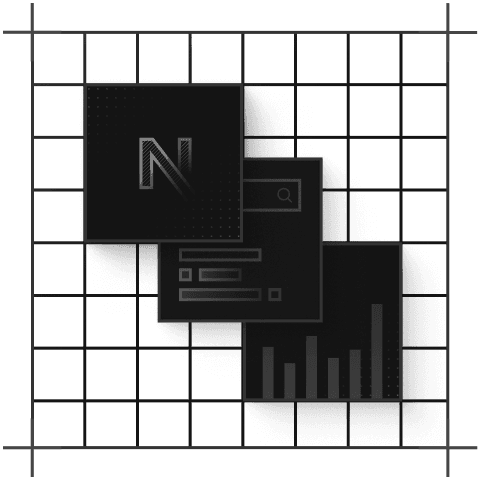
Deep CRM integration

Deep CRM integration

Forms, leads, emails, CTAs, and all of it connect back to HubSpot’s CRM automatically. This gives teams real personalisation power and a unified view of how users move from visitor to lead to customer.

Built-in SEO tools and analytics

Built-in SEO tools and analytics

HubSpot flags issues, suggests improvements, and provides performance insights without extra tools. It’s practical for teams who want clear SEO direction baked directly into the CMS.

Secure cloud hosting with SSL/CDN

Secure cloud hosting with SSL/CDN

Hosting, security patches, SSL, and updates are all handled by HubSpot. Sites stay fast and secure without anyone babysitting servers or worrying about downtime.
Lead tracking and management

Lead tracking and management

Every form submission, chat, and CTA is automatically tracked. Marketing and sales teams get full visibility into user behaviour without setting up a separate tracking stack.
Live WYSIWYG previews

Live WYSIWYG previews

Changes can be reviewed in real time before publishing, which reduces mistakes and makes approvals easier. What you see in the editor actually matches what goes live


Common questions

Magnolia to HubSpot CMS migration FAQs

Answers to the most common questions about Magnolia to HubSpot CMS migration

How long does it take to migrate away from Magnolia CMS?
Magnolia migrations are among the most involved we handle. The Java-based architecture, proprietary modules, and tightly coupled workflows mean there's no quick extract-and-import path. Content needs to be exported from Magnolia's JCR (Java Content Repository), transformed, and loaded into your target platform. For a mid-sized enterprise site with 1,000 to 5,000 pages, expect 8 to 16 weeks. The timeline depends heavily on how many proprietary modules your team has adopted and how complex your multi-site setup is.
Why do companies leave Magnolia?
Cost and agility are the two main drivers. Magnolia's enterprise licensing is opaque and expensive, with annual fees that balloon as you add modules and environments. Teams also get frustrated by the Java dependency. Finding and retaining Java CMS developers is harder and more expensive every year, especially when modern headless platforms let teams build with JavaScript and TypeScript instead. The vendor lock-in from proprietary modules makes the decision feel overdue by the time teams finally commit to migrating.
Can we migrate from Magnolia to a headless CMS without losing our multi-site setup?
Yes, but the approach changes. Magnolia handles multi-site through its own orchestration layer, while headless platforms like Sanity use workspace configurations or project-level separation. We rebuild multi-site architectures using the target CMS's native multi-tenancy features. The content migration itself is the simpler part. The harder work is re-implementing your personalisation rules, approval workflows, and permission structures outside of Magnolia's proprietary ecosystem.
How much does HubSpot CMS actually cost?
HubSpot CMS starts at $25/month for the Starter tier, but that's a teaser price. Most teams end up on Professional ($400/month) or Enterprise ($1,200/month) once they need features like custom reporting, smart content, or additional contact tiers. The real cost shock comes from the CRM side. HubSpot bundles CMS with its marketing hub, and adding seats or automation workflows pushes the bill up fast. We've seen mid-sized companies paying $30,000-$60,000 per year once everything is bundled. That's a lot of money for a platform that still makes you write HubL templates.
Can you move a HubSpot site to a headless CMS setup?
Yes, and we've done it multiple times. The migration typically takes 6-10 weeks depending on how many pages, forms, and CRM integrations are involved. The trickiest parts are replicating HubSpot's form-to-CRM pipeline (which most teams replace with a dedicated form handler plus CRM API integration) and extracting blog content from HubSpot's proprietary format. Design preservation is straightforward if you're rebuilding in a modern framework. We usually rebuild the frontend in Next.js with a headless CMS for content, which gives you better performance and full design control without HubL's limitations.
Will I lose my HubSpot CRM data if I migrate the CMS?
No. HubSpot's CRM is a separate product from the CMS, and you can keep using it even if you move your website elsewhere. We typically set up the new site to push form submissions directly into HubSpot CRM via their API, so your sales team's workflows stay intact. The only thing you lose is HubSpot's native smart content features (content that changes based on CRM data), but those can be rebuilt with a personalisation layer or server-side logic. Most teams find the trade-off worthwhile because the CMS limitations were holding them back more than smart content was helping.
What are the main reasons companies leave HubSpot CMS?
The top three reasons we hear from clients are design limitations, HubL frustration, and pricing escalation. HubSpot's theme system restricts what you can build visually, and the moment you need something custom, you're writing HubL, a templating language that only works inside HubSpot. Developers hate it because it's a dead-end skill. Then there's cost. Teams start on a reasonable plan, add features over 18 months, and suddenly they're paying enterprise prices for what is still a fairly rigid website builder. Moving to a headless CMS removes all three problems at once.


Get in touch

Fill out the form below and we'll get back to you