
Slingshot Bio
Roboto converged Slingshot Bio's WordPress and Shopify sites into one headless Shopify build on Next.js and Sanity, instrumented end to end and AI-ready.
View case study


From Kontent.ai to Payload
Last verified:
The process
First we check the existing Kontent.ai and see whether the data is clean enough to move straight over to Payload, and plan around any auth walls or bot protection in the way.
Then we work out how Kontent.ai renders its pages and pull the content out, even without CMS access.
Everything extracted runs through our sanitization pipeline, which flags slop, normalizes structure, and leaves us clean content to work with.
Before anything moves, we agree the Payload content model with you, shaped around how your editors actually work.
We transform the content to the agreed schema and run a full dry run, so mappings and edge cases prove out before production.
Once the dry run is clean, everything moves into Payload in one controlled cutover.
Every old URL gets mapped to its new home with the right redirect, so rankings and link equity survive the move.
Finally, automated browsers sweep the new site for data issues, design regressions, and missing SEO signals.
Key pain points
We've always been known to talk trash about WordPress, Framer and especially Prismic. It's fun and theraputic but truth be told Kontent.ai deserves it's fair share of aggro.
Pricing is hidden behind "book a demo" and their vague "price calculator". Basic features require developer elbow grease, and replacing a single image gives you a brand-new URL like it’s 2009. At scale, the API rate limits and bare-bones taxonomy start to feel less "enterprise" and more "please slow down, you’re scaring the CMS."
If you’re absolutely set on using Kontent.ai, give us a shout. We’ll try to make it work… or find you something that won’t make your content team cry into their spreadsheets.

Hidden pricing model
Kontent.ai loves a "contact sales" button. Great if you're an enterprise with a procurement department, not so great if you're just trying to budget a project. Until you get a quote, you’re basically guessing.
Complex initial setup requirements
The platform is polished, but the setup isn’t plug-and-play. Getting projects wired correctly, especially when it comes to multi-channel setup, usually requires a developer, documentation, and a quiet room to scream into.

Missing out-of-box preview system
Unlike most modern CMS platforms, there's no native live preview. You have to build a custom preview pipeline, which adds effort, cost, and another item to the dev team’s already depressing backlog.
Asset replacement URL issues
Swap an image or file, and Kontent.ai generates a new URL, which means link rot and cleanup duties no one asked for. Publishing teams feel this pain the fastest.

API rate limiting constraints
API-first is great until you hit the rate limit. 100 requests per second is fine for small sites, but high-traffic apps need careful caching or extra infrastructure to avoid bottlenecks

Limited Management API coverage
The Management API doesn’t expose every UI action, so automation hits a ceiling. Some tasks still require clicking through the interface, which defeats half the point of going headless.
Key advantages
Payload is genuinely strong tech. It’s fast, open-source, developer-first, and perfect if you want full control over your content model. The Next.js integration is smooth, the admin UI is clean, and it’s one of the more flexible modern CMS options if your team prefers to build things exactly the way you want them.
Just know that if you want actual features like visual editing, Vercel Blob storage, image handling, etc, you’ll be paying extra for the privilege. If you’re considering Payload or thinking about migrating into (or out of) it, reach out to us. We can help you figure out whether it’s the right stack or guide you toward a cleaner, saner (Sanity) setup.
Integration with Next.js applications
Payload works natively with Next.js, giving you clean data fetching and a smooth development flow. It removes the usual CMS friction so you can build fast, modern frontends without hacks.
Fully customizable
Everything is configured in code, which means you can tailor the CMS to your exact use case. You define the logic, workflows, and behavior.

Supports custom data models
You can design any content structure your project needs, from simple documents to complex relational models. This gives you full control over how content is organized and delivered.
Intuitive admin UI
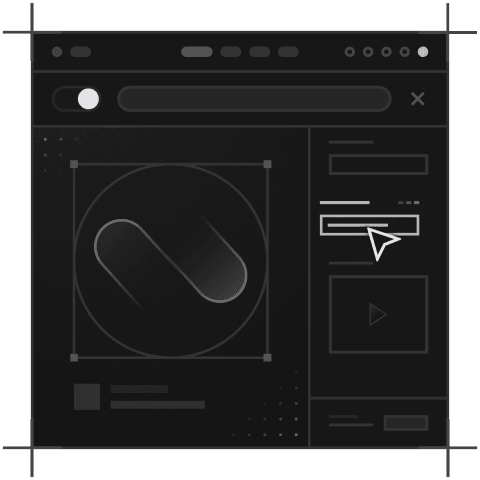
Payload’s admin panel is simple, clean, and fast. Editors can create, update, and manage content without training or digging through confusing menus.

Custom plugins and APIs
You can extend Payload however you like. Build custom fields, integrate external services, or add your own API routes. Perfect for teams that need deeper project-specific functionality.
Built-in authentication
Payload comes with user auth, roles, and access control baked in. No external auth service needed, and you can customize permissions to match your editorial workflow.
Tell us what you're building. We reply within one working day. Jono or someone on the team picks up every message personally.
Join the growing list of successful migrations