Case study
View case studyJamb
We rebuilt Jamb on Sanity and Next.js, merging two legacy PHP sites into one calm catalogue without losing the SEO equity their antique and reproduction collections had built up.



From KeystoneJS to Uniform
Last verified:
Key pain points
The biggest challenge with KeystoneJS is that it hands you all the responsibility that a managed CMS would normally handle. Deployment is entirely on you, and the documentation around production hosting, Docker configuration, and scaling is thin. We've seen teams struggle to go from a smooth local development experience to a reliable production setup, especially if they don't have dedicated DevOps support. The admin UI Docker image alone can balloon to over a gigabyte, which is a headache for containerised deployments.
The community around Keystone is significantly smaller than competitors like Strapi or Payload. That means fewer tutorials, fewer plugins, and slower answers when you hit an edge case. The ecosystem of ready-made integrations is almost non-existent, so you'll be building most things from scratch. For an agency working on client projects with deadlines, that time cost adds up quickly.
Content editors also tend to have a harder time with Keystone compared to more polished alternatives. The admin UI is functional but feels utilitarian, and non-technical users often need more onboarding than you'd expect. There's no visual editing, no preview infrastructure, and no real content workflow features like drafts, publishing schedules, or approval chains without building them yourself. If your client's content team needs a CMS they can pick up and run with, Keystone usually isn't the answer.
Deployment complexity
Self-hosting is the only option, and the docs don't hold your hand. Getting Keystone into production requires real infrastructure knowledge, and the large Docker image sizes make it worse.

Small community and ecosystem
Compared to Strapi or even Payload, the community is much smaller. Fewer plugins, fewer tutorials, and slower support when things go wrong.
No built-in content workflows
There are no turnkey drafts, scheduled publishing, or approval chains. Keystone provides field primitives that can be assembled into publishing workflows, but you need to wire them up yourself.
Admin UI feels dated
The admin panel is functional but lacks the polish and UX of modern CMS interfaces. Non-technical editors often find it confusing and need more training.
No visual editing or live preview
There's no way for editors to see content in context before publishing. You'd need to build your own preview infrastructure, which is a significant engineering effort.

Scaling requires significant effort
Running Keystone under high traffic means managing session stores, reverse proxies, and server resources yourself. It doesn't scale as smoothly as cloud-native CMS alternatives.
Key advantages
Uniform positions itself as a “composable DXP,” which is enterprise-speak for “it does a bit of everything on top of your actual CMS.” To be fair, the visual workspace is genuinely useful. Marketers get drag-and-drop control, personalization, and A/B testing without pinging developers every five minutes. And if you’re already juggling multiple systems (CMS, commerce, DAM), the orchestration layer can tidy up the chaos.
That said… we’ll be honest, we don’t really build with DXPs like this anymore. Whenever a headless tool starts shouting “DXP” from the homepage, it usually means heavyweight architecture, unnecessary complexity, and a bill only Fortune 500 companies would smile at. If you’re considering it anyway, feel free to get in touch. We’ll happily walk you through better, modern alternatives before you sink a quarter’s budget into something you probably don’t need.
Visual experience composition
Uniform’s visual builder lets marketers piece together pages without pinging developers every 5 minutes. It’s basically a drag-and-drop layer on top of your headless stack.
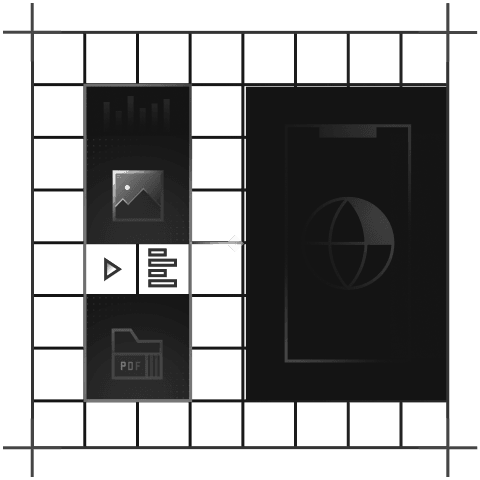
Multi-source content federation
Uniform pulls content from multiple CMSs, DAMs, and commerce tools into one interface, so you don’t need 10 tabs open to build a single page
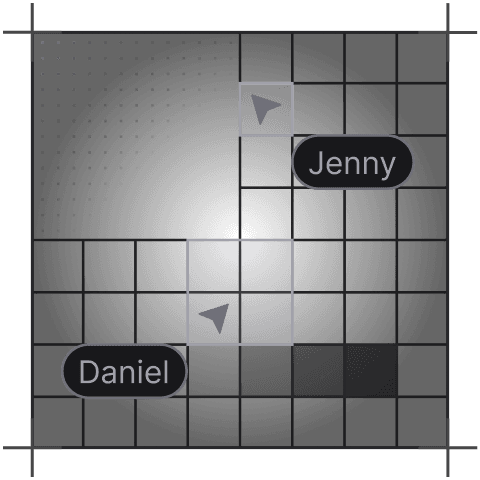
Real-time collaboration tools
Teams can edit, plan, and experiment together without overwriting each other’s work. It’s built for big organisations where ten people touching the same page is a weekly occurrence.
Enterprise-grade scalability
Uniform is built to handle traffic spikes and heavy personalisation workloads. It’s overkill for small sites but a safe bet for enterprises terrified of a Black Friday outage.
Omnichannel content management
You can pipe the same content across web, apps, and any other channel marketing dreams up. Useful for brands juggling multiple experiences without wanting to rebuild the same page three times.
Built-in A/B testing
Uniform ships with native testing and targeting, so teams can experiment without gluing together half a dozen tools. It’s marketer-friendly and fast.
Tell us what you're building. We reply within one working day — Jono or someone on the team picks up every message personally.
Join the growing list of successful migrations