Slingshot Bio
Roboto converged Slingshot Bio's WordPress and Shopify sites into one headless Shopify build on Next.js and Sanity, instrumented end to end and AI-ready.
View case study


From KeystoneJS to Sanity
Last verified:
The process
First we check the existing KeystoneJS and see whether the data is clean enough to move straight over to Sanity, and plan around any auth walls or bot protection in the way.
Then we work out how KeystoneJS renders its pages and pull the content out, even without CMS access.
Everything extracted runs through our sanitization pipeline, which flags slop, normalizes structure, and leaves us clean content to work with.
Before anything moves, we agree the Sanity content model with you, shaped around how your editors actually work.
We transform the content to the agreed schema and run a full dry run, so mappings and edge cases prove out before production.
Once the dry run is clean, everything moves into Sanity in one controlled cutover.
Every old URL gets mapped to its new home with the right redirect, so rankings and link equity survive the move.
Finally, automated browsers sweep the new site for data issues, design regressions, and missing SEO signals.
Key pain points
The biggest challenge with KeystoneJS is that it hands you all the responsibility that a managed CMS would normally handle. Deployment is entirely on you, and the documentation around production hosting, Docker configuration, and scaling is thin. We've seen teams struggle to go from a smooth local development experience to a reliable production setup, especially if they don't have dedicated DevOps support. The admin UI Docker image alone can balloon to over a gigabyte, which is a headache for containerized deployments.
The community around Keystone is significantly smaller than competitors like Strapi or Payload. That means fewer tutorials, fewer plugins, and slower answers when you hit an edge case. The ecosystem of ready-made integrations is almost non-existent, so you'll be building most things from scratch. For an agency working on client projects with deadlines, that time cost adds up quickly.
Content editors also tend to have a harder time with Keystone compared to more polished alternatives. The admin UI is functional but feels utilitarian, and non-technical users often need more onboarding than you'd expect. There's no visual editing, no preview infrastructure, and no real content workflow features like drafts, publishing schedules, or approval chains without building them yourself. If your client's content team needs a CMS they can pick up and run with, Keystone usually isn't the answer.
Deployment complexity
Self-hosting is the only option, and the docs don't hold your hand. Getting Keystone into production requires real infrastructure knowledge, and the large Docker image sizes make it worse.

Small community and ecosystem
Compared to Strapi or even Payload, the community is much smaller. Fewer plugins, fewer tutorials, and slower support when things go wrong.

No built-in content workflows
There are no turnkey drafts, scheduled publishing, or approval chains. Keystone provides field primitives that can be assembled into publishing workflows, but you need to wire them up yourself.
Admin UI feels dated
The admin panel is functional but lacks the polish and UX of modern CMS interfaces. Non-technical editors often find it confusing and need more training.
No visual editing or live preview
There's no way for editors to see content in context before publishing. You'd need to build your own preview infrastructure, which is a significant engineering effort.

Scaling requires significant effort
Running Keystone under high traffic means managing session stores, reverse proxies, and server resources yourself. It doesn't scale as smoothly as cloud-native CMS alternatives.
Key advantages
You know where our bias' lies. We think Sanity is literally the best headless content management out there. The schema is code-based, so it can be easily versioned, scaled, and extended without a heap of third-party hoops to jump. Providing you build it with a solid foundation, which we always recommend Turbo Start Sanity, it's going to be the most valuable hub for content you can imagine.
It's got a very unique tooling called the Live Content API, which in simple terms means
when you press publish, its live.
No issues with caching, and a single API usage that scales perfectly with multichannel content delivery.
It also offers one of the best editorial experiences in the industry with Presentation and customizable content structures. We're obviously huge fans of it, and we've pivoted our business with it when we realized how ahead it is.
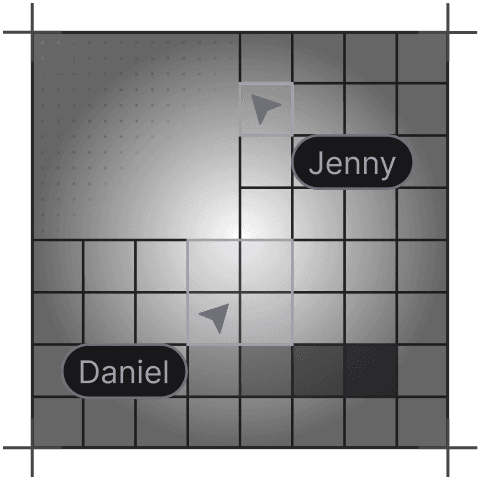
Real time collaboration
You write, your teammate tags in, adds citations, and updates the same doc without stepping on each other. It’s the fastest way to ship content without the "who has edit access?" chaos.
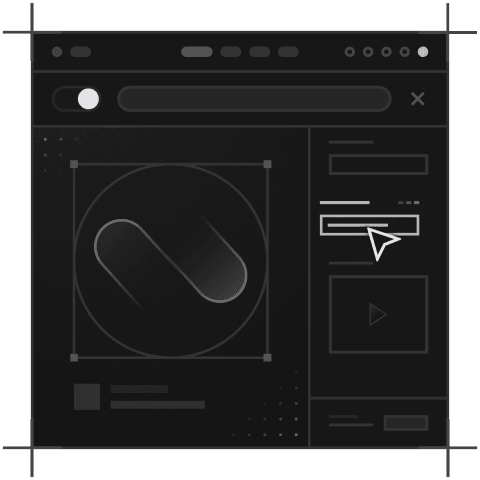
Live preview block building
With Sanity, you don’t have to guess what your page might look like. Real-time previews update the moment you type. It’s a 1:1 mirror of your site before it ever goes live, so your campaigns look right the first time.

Meta tags, structured content
Sanity’s structured content gives Google clean data and rich schema, so your pages surface higher without manual hacking. Automated schema, smarter metadata, and better rankings.

Better media management
A blazing-fast media library with first-class support for Cloudinary, Mux, Wistia and more. Upload, drag-and-drop, preview without wrestling with assets, and waiting for spins of doom.
Automated social sharing
Ever wanted to share one update, and automatically populate every social platform? Welcome to the future we've built that. Why should social media be a chore.
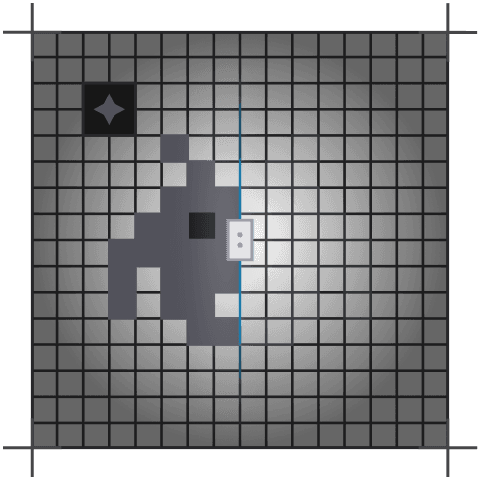
Automated image generation
Sanity keeps your subject centered and sharp like a tiny author thumbnail or a full-page hero banner. There are no awkward crops, or chopped heads. Your visuals just look right everywhere.
The migration is step one. Our Sanity team handles what comes after: builds, integrations and the content model work that keeps the new platform clean.
Sanity development agencyTell us what you're building. We reply within one working day. Jono or someone on the team picks up every message personally.
Join the growing list of successful migrations