Case study
View case studyJamb
We rebuilt Jamb on Sanity and Next.js, merging two legacy PHP sites into one calm catalogue without losing the SEO equity their antique and reproduction collections had built up.



From Drupal to Tina CMS
Last verified:
Key pain points
Here's the uncomfortable truth about Drupal: it's powerful, but it demands a level of investment that most teams underestimate. The learning curve is brutal. We're not talking about a weekend of tutorials; we're talking about months before a developer is truly productive. Drupal 8 and beyond adopted Symfony patterns, which is great for architecture but means you now need a PHP developer who also understands dependency injection, service containers, and YAML configuration files that seem to multiply overnight. Finding and retaining Drupal talent is genuinely difficult, and the developer survey data confirms it: fewer than 10% of the community is under 30, and almost nobody is joining fresh.
The upgrade story has been a recurring nightmare. The jump from Drupal 7 to 8 was essentially a full rebuild, and the ongoing churn from PHP and Symfony upstream changes means your team spends a meaningful chunk of time just keeping the lights on. Module compatibility breaks, themes need reworking, and the update process still isn't fully automated. If you're on a lean team, that maintenance burden is going to eat into your feature development time.
And then there's the content editor experience. Drupal was built by engineers for engineers, and it shows. The admin interface is functional but far from intuitive, and content teams coming from friendlier platforms consistently struggle with it. You can improve things with contributed modules and custom configuration, but that's more time and money. At the end of the day, if you don't have the budget for a dedicated Drupal team or a long-term agency partnership, you're going to have a bad time.
Punishing learning curve
Getting productive in Drupal takes months, not days. The combination of Symfony patterns, YAML configuration, and Drupal-specific conventions means onboarding new developers is slow and expensive.
Shrinking talent pool
The developer community is aging out. Fewer than 10% of Drupal developers are under 30, and new developers aren't joining at a rate that replaces those leaving. Finding affordable Drupal expertise is a real challenge.
Painful upgrade cycles
Between PHP version bumps, Symfony updates, and Drupal core changes, your team will spend significant time on maintenance that has nothing to do with shipping features. The Drupal 7 to 8 migration was so brutal they delayed end-of-life for years.
Poor content editor experience
The admin interface was designed by developers, and it shows. Content teams coming from WordPress, Sanity, or any modern CMS will find the editing experience clunky and unintuitive without significant customization.
Resource-hungry infrastructure
Drupal is not light. It demands proper server resources, caching layers, and database optimization to perform well. Cheap shared hosting won't cut it, and infrastructure costs add up quickly.
High total cost of ownership
It's open source, but don't let that fool you. Between specialized developers, hosting requirements, ongoing maintenance, and the sheer time investment to configure everything, Drupal projects consistently cost more than teams expect.
Key advantages
Tina CMS has a genuinely compelling core idea: real-time visual editing backed by Git. Instead of your content living in some opaque database, every change becomes a Git commit. For developer teams that already live in Git, this feels natural. The local development workflow is solid too — you can iterate on schema and content simultaneously, merge everything in a single commit, and keep your content pipeline tightly coupled with your codebase. That's a meaningful advantage over CMS platforms that treat content as a completely separate concern.
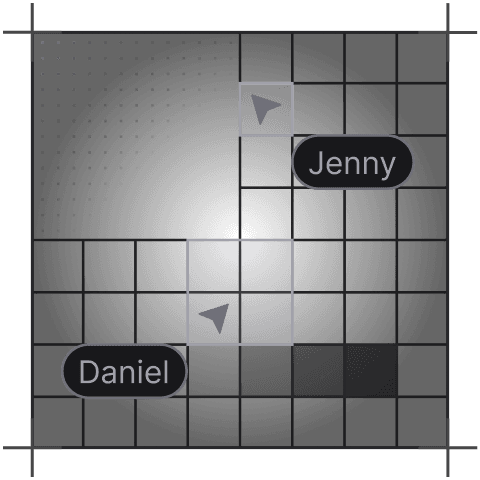
The inline editing experience is where Tina really shines. Content editors can see their changes in context on the actual live site, which dramatically reduces the feedback loop between "I changed something" and "here's what it looks like." For marketing teams and content creators who are tired of editing fields in a dashboard and then previewing on a separate URL, this is a breath of fresh air. It bridges the gap between developer-friendly and editor-friendly in a way that most headless CMS platforms don't even attempt.
Since going fully open-source under Apache 2.0 and being acquired by SSW, the self-hosting story has improved significantly. You can run your own backend with your own database and auth, which gives you more control than relying on TinaCloud. If you're building a Next.js or React-based project and want a CMS that lives close to your code, Tina is worth serious consideration. If you want help evaluating whether Tina fits your stack, or you're looking at alternatives, we're happy to chat.
Real-time visual editing
Editors can make changes directly on the live site with instant visual feedback. This is genuinely one of the best inline editing experiences in the headless CMS space.
Git-backed content workflow
Every content change becomes a Git commit, so your content versioning, branching, and collaboration all flow through the same tools your developers already use.
Schema defined in code
Content models are defined in your codebase alongside your components, keeping your content structure and frontend tightly aligned and version-controlled.
Strong local development experience
You can develop locally with full CMS functionality, iterate on schema and content together, and push everything in a single commit. No cloud dependency during development.
Markdown and MDX support
Tina works natively with markdown and MDX files, making it a natural fit for documentation sites, blogs, and any project that already uses file-based content.
Fully open-source and self-hostable
The entire backend is open-source under Apache 2.0. You can self-host with your own database, auth, and Git provider, giving you full control over your content infrastructure.
Tell us what you're building. We reply within one working day — Jono or someone on the team picks up every message personally.
Join the growing list of successful migrations