Case study
View case studyJamb
We rebuilt Jamb on Sanity and Next.js, merging two legacy PHP sites into one calm catalogue without losing the SEO equity their antique and reproduction collections had built up.



From Directus to Uniform
Last verified:
Key pain points
Directus looks fantastic in demos, but things get rocky once you actually try to use it at scale. The Professional cloud plan is $99/month and caps you at 5 users, 75,000 database entries, and 250,000 API requests — grow past any of those limits and you're straight into custom Enterprise territory. The v12 move to the Monospace Sustainable Core License (MSCL) has also rattled the community; smaller orgs get a free Innovation Grant, but larger teams are navigating a licensing landscape that changed significantly from what they signed up for.
On the dev side, updates can introduce breaking changes, the documentation doesn't always keep pace, and the extension ecosystem is pretty thin. Localization is technically supported but fiddly and easy to misconfigure, and large datasets make the UI noticeably sluggish. And if you want anything deeply custom, you're suddenly living in Vue.js land, which is not where most teams want to spend their weekends.

Breaking update changes
Directus explicitly does not follow semver — any release may include breaking changes. The v10 to v11 upgrade hit schema changes and dropped fields, and the v11 UI scale change (px to rem) broke extensions hardcoding pixel values. Plan your upgrade windows carefully.
Limited extension ecosystem
The plugin ecosystem is still pretty bare. Anything even mildly niche ends up becoming a "let's just custom build it" moment, which defeats the purpose of picking a CMS with extensions. The marketplace launched in beta in early 2024 and is still maturing.
Complex localization setup
Yes, it supports multilingual content, but setting it up feels like assembling IKEA furniture blindfolded. It works, but expect extra config, extra steps, and extra patience.
Version history still tier-gated
Global draft versions now ship automatically with every versioned item — no manual setup required as of March 2026 — which is a genuine improvement. Full version history, rollbacks, and controlled releases are still locked behind higher-tier plans, though, so if predictable publishing workflows are a must, check your tier carefully before committing.
Vue.js knowledge requirement
Custom interfaces and deeper tweaks need Vue.js, so if your team only speaks React, prepare for a small identity crisis (or a hiring plan).
Large dataset performance issues
Heavy tables and deeply relational data can slow down queries and the UI — community reports show 25K-row datasets where raw SQL runs in milliseconds but the Directus API takes 20+ seconds, largely due to internal query overhead and no auto-indexes on foreign keys.
Key advantages
Uniform positions itself as a “composable DXP,” which is enterprise-speak for “it does a bit of everything on top of your actual CMS.” To be fair, the visual workspace is genuinely useful. Marketers get drag-and-drop control, personalization, and A/B testing without pinging developers every five minutes. And if you’re already juggling multiple systems (CMS, commerce, DAM), the orchestration layer can tidy up the chaos.
That said… we’ll be honest, we don’t really build with DXPs like this anymore. Whenever a headless tool starts shouting “DXP” from the homepage, it usually means heavyweight architecture, unnecessary complexity, and a bill only Fortune 500 companies would smile at. If you’re considering it anyway, feel free to get in touch. We’ll happily walk you through better, modern alternatives before you sink a quarter’s budget into something you probably don’t need.
Visual experience composition
Uniform’s visual builder lets marketers piece together pages without pinging developers every 5 minutes. It’s basically a drag-and-drop layer on top of your headless stack.
Multi-source content federation
Uniform pulls content from multiple CMSs, DAMs, and commerce tools into one interface, so you don’t need 10 tabs open to build a single page
Real-time collaboration tools
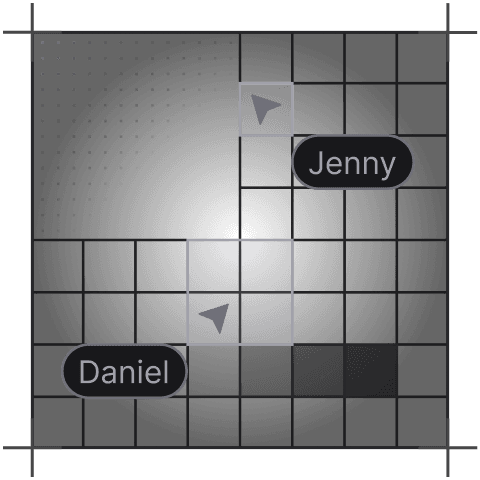
Teams can edit, plan, and experiment together without overwriting each other’s work. It’s built for big organisations where ten people touching the same page is a weekly occurrence.
Enterprise-grade scalability
Uniform is built to handle traffic spikes and heavy personalisation workloads. It’s overkill for small sites but a safe bet for enterprises terrified of a Black Friday outage.
Omnichannel content management
You can pipe the same content across web, apps, and any other channel marketing dreams up. Useful for brands juggling multiple experiences without wanting to rebuild the same page three times.
Built-in A/B testing
Uniform ships with native testing and targeting, so teams can experiment without gluing together half a dozen tools. It’s marketer-friendly and fast.
Tell us what you're building. We reply within one working day — Jono or someone on the team picks up every message personally.
Join the growing list of successful migrations