Case study
View case studyJamb
We rebuilt Jamb on Sanity and Next.js, merging two legacy PHP sites into one calm catalogue without losing the SEO equity their antique and reproduction collections had built up.



From Craft CMS to Magnolia
Last verified:
Key pain points
The elephant in the room is PHP. Craft requires a traditional LAMP-style hosting setup with PHP 8.2+ and MySQL or Postgres, which immediately rules out the serverless and edge-first hosting that modern JavaScript frameworks thrive on. You're managing servers, configuring OPcache, tuning database connections, and dealing with all the operational overhead that comes with self-hosted PHP applications. For teams already working in the JavaScript ecosystem, this is a hard sell.
Major version upgrades are genuinely painful. Craft doesn't support skipping major versions, so migrating from Craft 2 to 5 means stepping through every version in between. Each jump brings breaking changes to Twig templates, PHP requirements, and plugin compatibility. We've seen agencies spend weeks on upgrades that should have been straightforward. The Team tier starts at $279 per project and the Pro tier costs $399, plus $99 annual renewals for both. A free Solo tier exists for single-user projects, but costs still add up for agencies, especially when you factor in plugins and the recent trend toward stricter licence enforcement in the control panel.
The community, while passionate, is relatively small compared to WordPress or even newer headless CMS platforms. When you hit an edge case or need help with a niche plugin, you may find yourself digging through GitHub issues rather than finding a ready answer. And while Craft Cloud exists as a managed hosting option, it's still maturing and doesn't yet match the deployment experience you'd get with platforms like Vercel or Netlify.
PHP hosting requirements
You need a traditional server with PHP 8.2+, MySQL or Postgres, and proper configuration. No serverless, no edge deployment, no modern hosting shortcuts.

Painful major version upgrades
You can't skip major versions, so upgrades mean stepping through each release with breaking Twig, PHP, and plugin changes along the way.
Smaller community and ecosystem
The community is dedicated but small. Finding answers to niche problems often means digging through GitHub issues or waiting on forum responses.
Licence costs add up
The Team tier is $279 per project and Pro is $399, both with $99 annual renewals, plus paid plugins on top. A free Solo tier exists for single-user projects, but costs add up quickly for agencies managing multiple client sites.
Learning curve for non-developers
Craft assumes your team includes developers. Content editors coming from WordPress or simpler tools will need time to adjust to the more structured interface.
Twig templating limitations
Twig is clean but limited compared to modern component frameworks. Complex UI logic gets awkward, and you're locked into whatever Twig version Craft supports.
Key advantages
Magnolia shines if you’re the kind of organisation that genuinely needs the full DXP kitchen sink. It packs personalisation, workflows, multi-site orchestration, multilingual publishing, DAM, marketing automation hooks, and every enterprise acronym you can think of. If your teams run complex global content operations with strict governance, Magnolia’s mature permission system, stability, and long-standing enterprise reputation make it a safe, compliant option.
To be transparent, we don’t actually prefer or build with Magnolia (or any of the DXP-flavoured headless CMSs). They try to do everything, and like most jack-of-all-trades platforms, they don’t excel at the things modern teams actually need that is speed, flexibility, clean workflows, and sane pricing. We’d happily point you toward modern alternatives like Sanity that give you 10× the agility without the enterprise bloat.
Java-based enterprise integration
Built on Java, Magnolia plugs neatly into large enterprise stacks that already rely on Java systems and legacy infrastructure. If your organisation lives and breathes JVM, Magnolia won’t fight your architecture.
Secure, scalable architecture
Magnolia’s core is engineered for high-security, high-traffic environments, with strong access control, clustering, and enterprise-grade stability. It’s built to survive heavy editorial activity and large content delivery demands.
Real-time page templating
Editors can adjust components and layouts and immediately preview results, making large enterprise content operations faster and less error-prone.
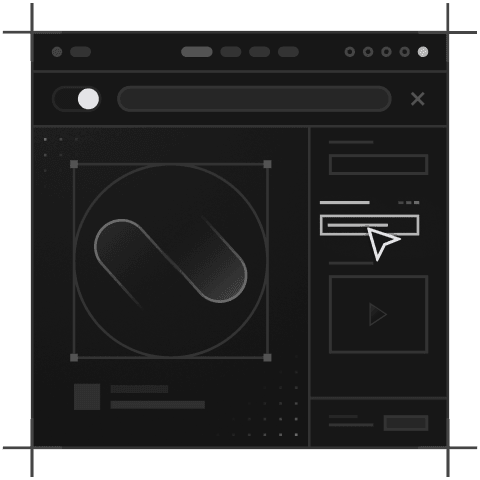
Editable component previews
Magnolia’s component-level previewing gives editors clarity on how complex pages come together, reducing back-and-forth with developers and keeping multi-team workflows sane.
Multi-site management tools
Designed for global brands, Magnolia supports multiple sites, languages, and regional variations under one roof.
Advanced workflow automation
From multi-step approvals to compliance-driven publishing flows, Magnolia handles heavyweight governance. This is the stuff big enterprises actually need when 20 departments want access but only 2 should publish.
Tell us what you're building. We reply within one working day — Jono or someone on the team picks up every message personally.
Join the growing list of successful migrations