Slingshot Bio
Roboto converged Slingshot Bio's WordPress and Shopify sites into one headless Shopify build on Next.js and Sanity, instrumented end to end and AI-ready.
View case study


From Craft CMS to Framer
Last verified:
The process
First we check the existing Craft CMS and see whether the data is clean enough to move straight over to Framer, and plan around any auth walls or bot protection in the way.
Then we work out how Craft CMS renders its pages and pull the content out, even without CMS access.
Everything extracted runs through our sanitization pipeline, which flags slop, normalizes structure, and leaves us clean content to work with.
Before anything moves, we agree the Framer content model with you, shaped around how your editors actually work.
We transform the content to the agreed schema and run a full dry run, so mappings and edge cases prove out before production.
Once the dry run is clean, everything moves into Framer in one controlled cutover.
Every old URL gets mapped to its new home with the right redirect, so rankings and link equity survive the move.
Finally, automated browsers sweep the new site for data issues, design regressions, and missing SEO signals.
Key pain points
The elephant in the room is PHP. Craft requires a traditional LAMP-style hosting setup with PHP 8.2+ and MySQL or Postgres, which immediately rules out the serverless and edge-first hosting that modern JavaScript frameworks thrive on. You're managing servers, configuring OPcache, tuning database connections, and dealing with all the operational overhead that comes with self-hosted PHP applications. For teams already working in the JavaScript ecosystem, this is a hard sell.
Major version upgrades are genuinely painful. Craft doesn't support skipping major versions, so migrating from Craft 2 to 5 means stepping through every version in between. Each jump brings breaking changes to Twig templates, PHP requirements, and plugin compatibility. We've seen agencies spend weeks on upgrades that should have been straightforward. The Team tier starts at $279 per project and the Pro tier costs $399, plus $99 annual renewals for both. A free Solo tier exists for single-user projects, but costs still add up for agencies, especially when you factor in plugins and the recent trend toward stricter license enforcement in the control panel.
The community, while passionate, is relatively small compared to WordPress or even newer headless CMS platforms. When you hit an edge case or need help with a niche plugin, you may find yourself digging through GitHub issues rather than finding a ready answer. And while Craft Cloud exists as a managed hosting option, it's still maturing and doesn't yet match the deployment experience you'd get with platforms like Vercel or Netlify.
PHP hosting requirements
You need a traditional server with PHP 8.2+, MySQL or Postgres, and proper configuration. No serverless, no edge deployment, no modern hosting shortcuts.

Painful major version upgrades
You can't skip major versions, so upgrades mean stepping through each release with breaking Twig, PHP, and plugin changes along the way.
Smaller community and ecosystem
The community is dedicated but small. Finding answers to niche problems often means digging through GitHub issues or waiting on forum responses.
License costs add up
The Team tier is $279 per project and Pro is $399, both with $99 annual renewals, plus paid plugins on top. A free Solo tier exists for single-user projects, but costs add up quickly for agencies managing multiple client sites.

Learning curve for non-developers
Craft assumes your team includes developers. Content editors coming from WordPress or simpler tools will need time to adjust to the more structured interface.

Twig templating limitations
Twig is clean but limited compared to modern component frameworks. Complex UI logic gets awkward, and you're locked into whatever Twig version Craft supports.
Key advantages
If you live in Figma all day, Framer is the right choice for you. You can import your layouts, tweak a few interactions, hit publish, and suddenly you’ve "built a website" without ever opening VS Code. The no-code editor is fast, the animations look like you actually care about UI, and the built-in hosting + global CDN means you never have to touch a server or pretend you know what an SSL certificate is.
Multiple people can jump in, rewrite copy, adjust layouts, and preview the site instantly in real time with zero handoff pain, and "can you push this to staging?" nonsense. The SEO defaults are strong, images automatically behave, and performance is fast without you having to obsess over Lighthouse scores.
Can't knock the service, but we're here when you're looking to build something more scalable.
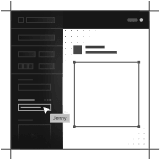
Ability to control layout with drag and drop
You can drag, drop, and publish without the need for any developer or having experience in website development. With Framer, you can easily turn your mockup into a working page.
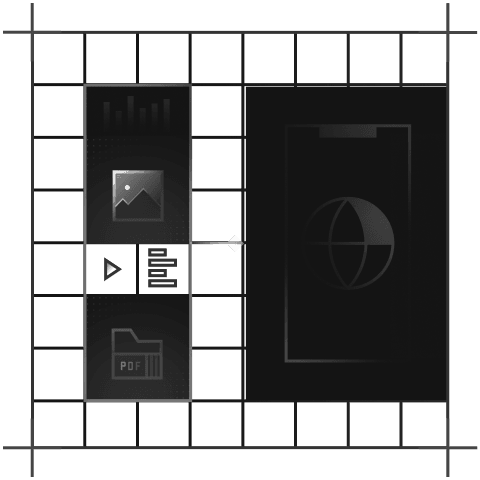
Quick and cheap to build something
If you need a site yesterday (and on a budget), go ahead with Framer. You can go from a Figma-level idea to a live marketing page in a few hours without writing any code or having developers wait on stand-ups.
Some optimization comes by default
Framer quietly handles things like image compression, semantic markup, and basic SEO hygiene. You ship quickly, and the site doesn't fall apart in Lighthouse analyses.
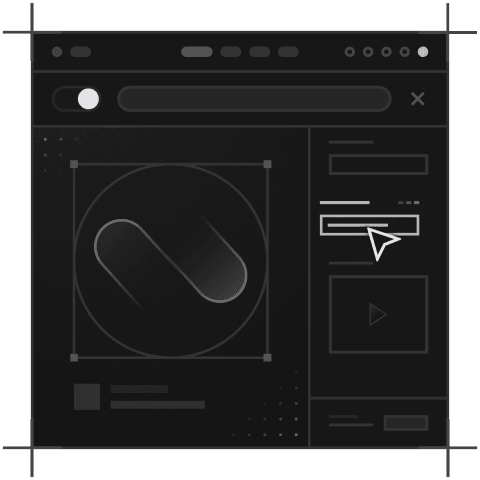
Huge library of themes
You can pick a template, tweak a few components, and you’re basically done. Its theme library is stacked, and most of it looks "portfolio ready" right out of the box.
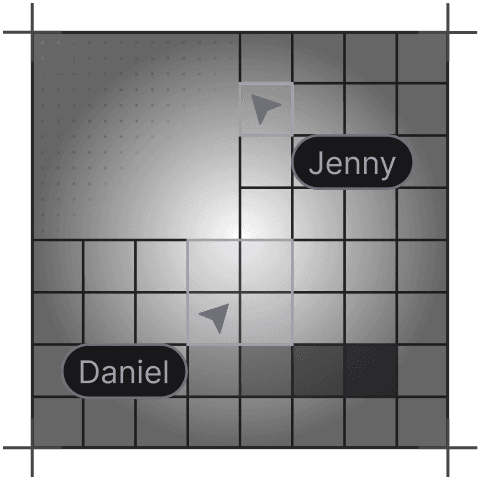
Real-time team collaboration
Multiple people can jump in, edit, comment, and tweak designs live like Figma. It speeds up feedback loops and kills the endless back-and-forth.
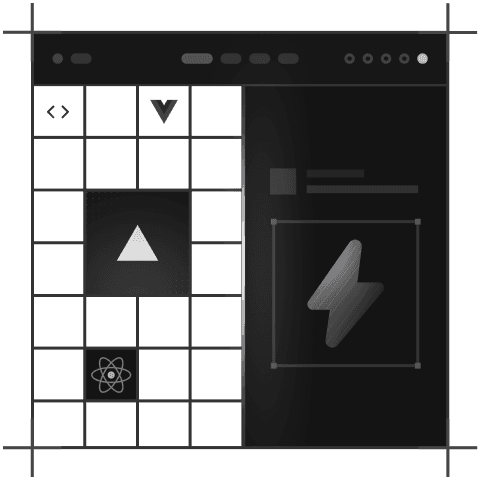
Intuitive, designer-friendly UI
If you know your way around Figma, you’ll be able to use Framer without any difficulty. Framer’s interface is simple, and keeps designers moving without begging a developer for help.
Tell us what you're building. We reply within one working day. Jono or someone on the team picks up every message personally.
Join the growing list of successful migrations