Slingshot Bio
Roboto converged Slingshot Bio's WordPress and Shopify sites into one headless Shopify build on Next.js and Sanity, instrumented end to end and AI-ready.
View case study


From Contentstack to Storyblok
Last verified:
The process
First we check the existing Contentstack and see whether the data is clean enough to move straight over to Storyblok, and plan around any auth walls or bot protection in the way.
Then we work out how Contentstack renders its pages and pull the content out, even without CMS access.
Everything extracted runs through our sanitization pipeline, which flags slop, normalizes structure, and leaves us clean content to work with.
Before anything moves, we agree the Storyblok content model with you, shaped around how your editors actually work.
We transform the content to the agreed schema and run a full dry run, so mappings and edge cases prove out before production.
Once the dry run is clean, everything moves into Storyblok in one controlled cutover.
Every old URL gets mapped to its new home with the right redirect, so rankings and link equity survive the move.
Finally, automated browsers sweep the new site for data issues, design regressions, and missing SEO signals.
Key pain points
Contentstack comes with a hefty price tag and an even heftier learning curve. You don’t just "spin it up," you architect it, model it, train teams, fight through workflows, and hope your budget survives the onboarding. The editor can drag when the content tree gets big, and the visual builder starts feeling like it's running a marathon with ankle weights.
Pricing is also locked behind sales calls and enterprise paperwork. Good luck, if you want to switch platforms later. The custom setups and integrations turn migration into a full-blown project. Even with strong APIs, a lot of "advanced" tasks still need bespoke dev work, meaning you’ll rely on specialists whether you like it or not.

Steep learning curve
Even seasoned teams need time to get comfortable. Content modeling and workflows aren’t "plug and play," expect onboarding sessions and a couple of headaches.
Complex initial setup
Getting everything wired up the way you want takes real developer hours. This isn’t a "spin it up on a Friday" CMS.
Performance lags in editor
Large content models and lots of entries can make the editor feel sluggish, especially when teams scale up.
Limited self-service customization
Anything beyond the basics tends to require a developer. Marketers won’t be bending this platform to their will alone.
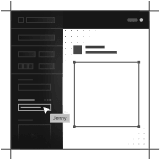
Editor usability concerns
The visual builder is powerful but can get overwhelming fast, especially with deep nesting or complex blocks.
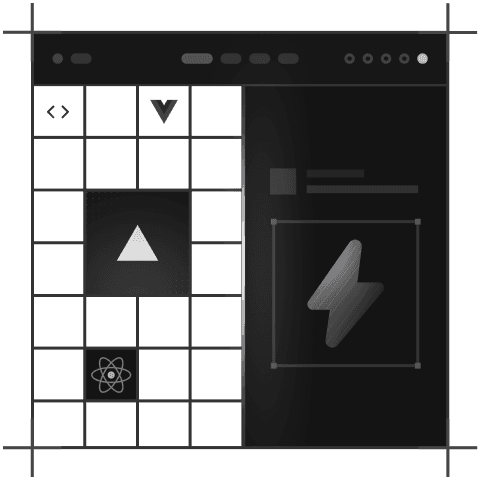
Content modeling complexity
You’ll spend time architecting your content upfront. If your team isn’t used to strict modeling, brace yourself.
Key advantages
If you've ever tried explaining "headless" to a content team and watched their eyes glaze over, Storyblok is your peace offering. The visual editor is genuinely good: editors see changes on the real page preview instead of filling out abstract field forms.
That's the upside. The downside is that the API lacks a few basics, like fetching child or sibling pages directly, and the tier jumps get steep once you need more locales or seats. If Storyblok is your choice, we can make it work, we know where the rough edges are and how to set it up cleanly.

Visual editing capabilities
Yes, you read that right, you can do real-time, on-page editing. Make a change, see it instantly, no staging limbo, which means you can stop "guess and publish."
Component-based approach
You can build a component once and use it everywhere. You can also update a button or banner in one place, and the entire site fixes itself.
Efficient content structuring
Your content stays clean, organized, reusable, and not scattered across 40 pages. Developers work with structured data, editors drag-and-drop pieces like Lego. Everyone gets to stay sane.

Strong multi-language support
One CMS, many languages, no chaos. Localize content without duplicate pages or messy spreadsheet exports.
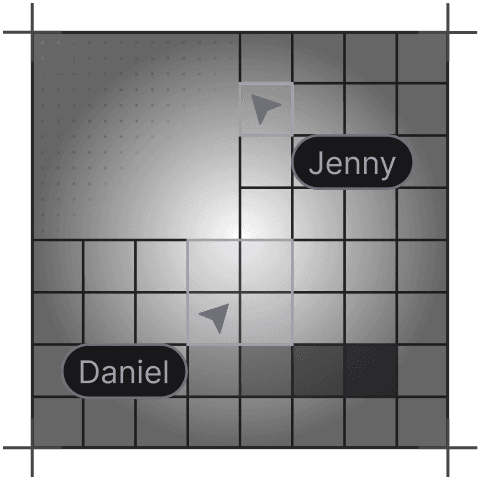
Collaborative environment
Writers, designers, and editors can all jump in at the same time without breaking each other’s work. Add comments and approvals. View version histories for teamwork without the headache.
Highly customizable
If your design system can imagine it, you can use Storyblok to model it. There are custom fields, workflows, and logics that can bend to your stack rather than the other way around.
Tell us what you're building. We reply within one working day. Jono or someone on the team picks up every message personally.
Join the growing list of successful migrations