Case study
View case studyJamb
We rebuilt Jamb on Sanity and Next.js, merging two legacy PHP sites into one calm catalogue without losing the SEO equity their antique and reproduction collections had built up.



From Contentful to Uniform
Last verified:
Key pain points
Contentful is one of those platforms where the bill can catch you off guard. The free tier caps you at 25 content types and 100K API calls, and a single marketing site can blow past both without warning. The next step up is $300 a month, and enterprise pricing often lands in the $50K to $100K+ a year range.
Users on Reddit regularly flag the same thing: tier jumps are forced by hitting one limit, not by needing the bigger feature set. Content model caps alone can push you into a higher plan you don't otherwise need.
The other issue is that Contentful has strong opinions about how content should be modelled, and those opinions aren't always documented. Projects built without that knowledge tend to accumulate performance problems and awkward workarounds. Before writing Contentful off, speak to us, a lot of the pain we see is implementation, not platform.

Pricing climbs fast
Contentful isn't a cheap CMS. Once you pass the free tier's content type or API call limit, you're on the $300/month Lite plan, and enterprise pricing often starts at $50K+ a year.
Complex for non-technical users
Marketers and editors may need a small learning curve before they feel at home. It’s powerful but not always plug-and-play.

Integration dependency
A lot of magic happens through third-party tools. Great for flexibility, but it does mean extra setup instead of getting everything out-of-the-box.

Limited native features
Contentful keeps the core CMS clean and minimal, but that also means more building and configuring to get advanced functionality.

Learning curve for new teams
If your team is moving from a traditional CMS, expect some onboarding time. Structured content is amazing but new for many.
Requires careful management
Because it’s so flexible, projects need good governance. Without it, content models can get messy and harder to maintain over time.
Key advantages
Uniform positions itself as a “composable DXP,” which is enterprise-speak for “it does a bit of everything on top of your actual CMS.” To be fair, the visual workspace is genuinely useful. Marketers get drag-and-drop control, personalization, and A/B testing without pinging developers every five minutes. And if you’re already juggling multiple systems (CMS, commerce, DAM), the orchestration layer can tidy up the chaos.
That said… we’ll be honest, we don’t really build with DXPs like this anymore. Whenever a headless tool starts shouting “DXP” from the homepage, it usually means heavyweight architecture, unnecessary complexity, and a bill only Fortune 500 companies would smile at. If you’re considering it anyway, feel free to get in touch. We’ll happily walk you through better, modern alternatives before you sink a quarter’s budget into something you probably don’t need.
Visual experience composition
Uniform’s visual builder lets marketers piece together pages without pinging developers every 5 minutes. It’s basically a drag-and-drop layer on top of your headless stack.
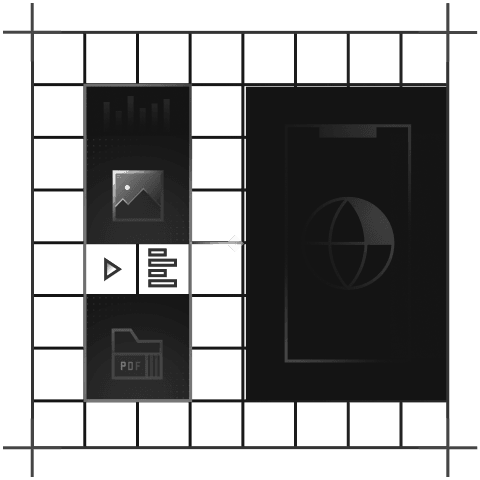
Multi-source content federation
Uniform pulls content from multiple CMSs, DAMs, and commerce tools into one interface, so you don’t need 10 tabs open to build a single page
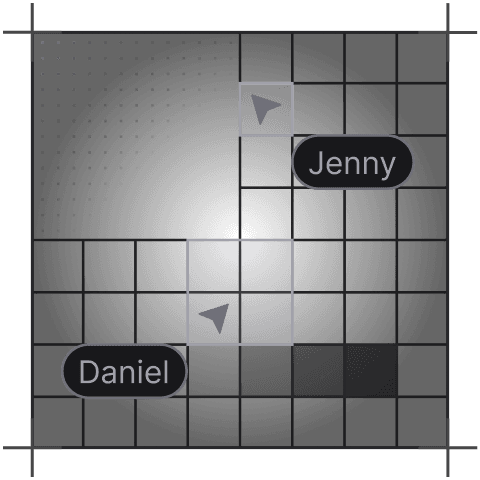
Real-time collaboration tools
Teams can edit, plan, and experiment together without overwriting each other’s work. It’s built for big organisations where ten people touching the same page is a weekly occurrence.
Enterprise-grade scalability
Uniform is built to handle traffic spikes and heavy personalisation workloads. It’s overkill for small sites but a safe bet for enterprises terrified of a Black Friday outage.

Omnichannel content management
You can pipe the same content across web, apps, and any other channel marketing dreams up. Useful for brands juggling multiple experiences without wanting to rebuild the same page three times.
Built-in A/B testing
Uniform ships with native testing and targeting, so teams can experiment without gluing together half a dozen tools. It’s marketer-friendly and fast.
Tell us what you're building. We reply within one working day — Jono or someone on the team picks up every message personally.
Join the growing list of successful migrations