Case study
View case studyJamb
We rebuilt Jamb on Sanity and Next.js, merging two legacy PHP sites into one calm catalogue without losing the SEO equity their antique and reproduction collections had built up.



From Sitecore to Kentico
Last verified:
Key pain points
Sitecore is one of the most expensive CMS platforms on the market. Licensing starts around $40,000-$65,000/year for basic XM, and a full XP or XC deployment with implementation lands in the $500,000+ range over three years. On top of the licence, you need specialised .NET developers on retainer, and those contracts aren't cheap either.
The complexity catches most teams off guard. Upgrading between Sitecore versions is closer to a rebuild than an update. Content is stored in a tree structure that doesn't map cleanly to other systems, which makes migrations painful and locks you into the platform longer than you'd like. The editor UI still feels like a late-2000s enterprise portal, and anything beyond basic publishing needs developer involvement.
Most mid-sized companies using Sitecore pay for personalisation and marketing automation they never turn on. If that sounds familiar, a headless CMS paired with a modern frontend gives you 80% of the useful capability at a fraction of the cost. We've moved clients off Sitecore and cut annual platform spend by 60-80% without losing functionality that actually mattered.
Key advantages
If Corporate Memphis art, dashboards, and spreadsheets are what you need, Kentico might be your happy place. The interface feels like Microsoft Office; that is, it is familiar, editor-friendly, and hard to break. And unlike platforms that need 14 plugins and a prayer, Kentico ships with the whole toolkit. It has marketing automation, e-commerce, workflows, multisite, multilingual, and the entire lot.
It scales well, handles heavy enterprise workloads, and integrates cleanly through APIs. But it is not the right fit for tiny brochure sites, but for large organizations that want everything under one roof, it’s a serious contender. If you’re unsure whether you really need the full armoury, send it our way and we’ll tell you if you’re ready for Kentico or if you’re just buying a tank to deliver pizza.
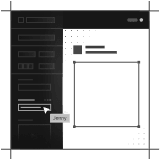
User-friendly interface
Kentico’s UI feels familiar with “Office toolbar,” like functions, rather than “developer terminals.” Editors can publish, schedule, and update content without needing a developer on standby.
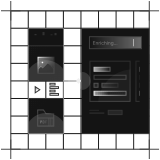
Built in tools
You don’t need to glue together 12 plugins just to run campaigns or sell products. Kentico ships with automation, personalization, analytics, and e-commerce baked in.
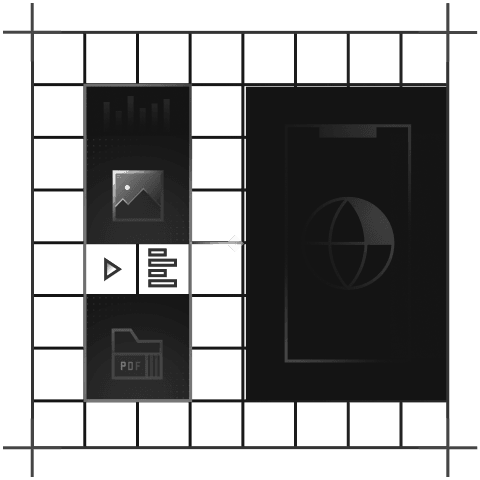
Flexible API and extensibility options
If your team speaks .NET, Kentico supports it. Its APIs and integration options make it easier to connect CRMs, ERPs, BI tools, and custom services without duct-tape engineering.

Workflow and role management system
It has multiple approvers, granular permissions, and strict publishing rules. Legal, marketing, and IT can all sign off without stepping on each other.
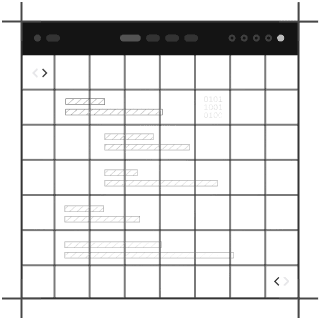
Fast onboarding + safe staging
Training is quick, publishing is simple, and staging environments keep mistakes from going live. Teams can work confidently without “oops, wrong button” moments.
Headless-ready
If you want speed, security, and headless flexibility, Kentico delivers. Content moves fast, scales well, and supports multi-site or multilingual setups without falling over.
Tell us what you're building. We reply within one working day — Jono or someone on the team picks up every message personally.
Join the growing list of successful migrations