Sitecore logo
Agility CMS logo

From Sitecore to Agility CMS

We are the Sitecore to Agility CMS migration experts

Last verified:


Challenges with Sitecore

Key pain points

Sitecore is one of the most expensive CMS platforms on the market. Licensing starts around $40,000-$65,000/year for basic XM, and a full XP or XC deployment with implementation lands in the $500,000+ range over three years. On top of the licence, you need specialised .NET developers on retainer, and those contracts aren't cheap either.

The complexity catches most teams off guard. Upgrading between Sitecore versions is closer to a rebuild than an update. Content is stored in a tree structure that doesn't map cleanly to other systems, which makes migrations painful and locks you into the platform longer than you'd like. The editor UI still feels like a late-2000s enterprise portal, and anything beyond basic publishing needs developer involvement.

Most mid-sized companies using Sitecore pay for personalisation and marketing automation they never turn on. If that sounds familiar, a headless CMS paired with a modern frontend gives you 80% of the useful capability at a fraction of the cost. We've moved clients off Sitecore and cut annual platform spend by 60-80% without losing functionality that actually mattered.

Help me migrate


Benefits of Agility CMS

Key advantages

Agility CMS is one of the few headless CMS platforms that genuinely tries to bridge the gap between developer freedom and editor autonomy. The standout feature is built-in page management, something most headless CMS tools completely ignore. Editors can create and manage pages, control the sitemap, handle SEO fields, and arrange modular components on pages without needing a developer to wire everything up. That alone saves us a ton of back-and-forth on client projects.

The Next.js integration is solid and well-maintained. The SDK handles page routing, preview mode, and image optimization out of the box, and getting a starter site running takes minutes rather than hours. The content modeling interface is intuitive enough that even non-technical clients can understand and extend models without hand-holding, which is rare in the headless space.

Support is genuinely excellent. The team is small enough that you get real humans who know the product inside out, not a ticket queue that disappears into the void. For agencies that need to move fast and hand projects off to client teams, that responsiveness matters. The API request limits are generous too, with high request allowances across all plans, so you're not constantly worrying about overage charges like you would with some competitors.

We also appreciate that Agility takes a pragmatic approach to headless. It doesn't try to be everything, but it does the core CMS job well and stays out of your way when you need to build custom functionality around it.
Start my migration


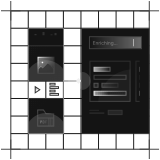
Page management interface in Agility CMS

Built-in page management

The only headless CMS with native page management. Editors can build and manage pages, control the sitemap, and arrange modular components without developer involvement.
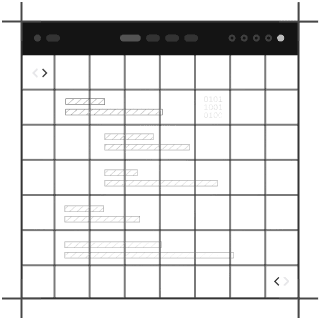
Next.js integration with Agility CMS

Strong Next.js integration

First-class Next.js SDK with automatic preview mode, image optimization, and page routing. Getting a project scaffolded takes minutes, not hours.
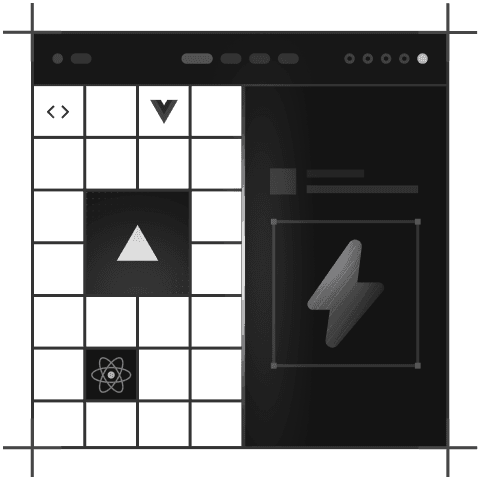
Content modeling in Agility CMS

Intuitive content modeling

Visual schema modeler that maps to JSON. Non-technical users can understand and extend content models without needing a developer to walk them through it.

Agility CMS support team

Excellent support team

Small, responsive support team that actually knows the product. You get real answers quickly, not generic ticket responses that take days.
API limits in Agility CMS

Generous API limits

Generous API request allowances across all plans. No surprise overage bills or throttling when traffic spikes, which removes a common headache with usage-based competitors.
SEO management in Agility CMS

Built-in SEO and redirect management

SEO fields, sitemap editing, and URL redirect management are native to the CMS. Editors can handle these without a separate tool or developer intervention.


Common questions

Sitecore to Agility CMS migration FAQs

Answers to the most common questions about Sitecore to Agility CMS migration

How much does Sitecore cost?
Sitecore doesn't publish pricing, but based on what we've seen across client projects, expect to pay six figures annually. Licensing alone typically starts around $40,000 to $65,000 per year for a basic XM setup, and jumps well past $100,000 once you add XP or XC modules. Factor in implementation (often $150,000 to $500,000+), hosting, and the specialised developers you'll need on retainer. For mid-sized companies, the total cost of ownership over three years can easily exceed $500,000. We've helped teams migrate off Sitecore and cut their annual platform spend by 60-80%.
How hard is it to migrate away from Sitecore?
It depends on how deep you are. A basic Sitecore XM site with standard content types can be migrated in 8-12 weeks. If you're using Sitecore's personalisation engine, custom pipelines, or XP analytics heavily, the timeline stretches to 3-6 months. The biggest pain points are content extraction (Sitecore stores content in a tree structure that doesn't map cleanly to other systems) and rebuilding any custom .NET components in a modern stack. Our team typically runs the migration in phases, starting with content export and schema mapping before touching the frontend.
Is Sitecore worth it for mid-sized companies?
No, not in most cases. Sitecore was built for large enterprises with dedicated IT teams and six-figure CMS budgets. Mid-sized companies consistently overpay for features they never use. The personalisation engine sits idle, the marketing automation goes untouched, and the team ends up using it as a glorified page editor. A headless CMS paired with a modern frontend framework gives you better performance, lower costs, and faster development cycles. We've moved multiple mid-sized companies off Sitecore onto leaner stacks and the feedback is always the same: they wish they'd done it sooner.
What are the best Sitecore alternatives for enterprise teams?
It depends on what you actually use Sitecore for. If you need structured content with real-time collaboration and flexible APIs, Sanity is our go-to recommendation. If your team is locked into the Adobe ecosystem, AEM is the obvious (expensive) alternative. For teams that want enterprise workflow controls without the Sitecore price tag, Contentful or Hygraph are worth evaluating. The key question is whether you genuinely need a monolithic DXP or whether a composable stack of best-in-class tools would serve you better. In our experience, composable wins almost every time.
How do we migrate away from Agility CMS?
Agility CMS content is accessible through their REST API, so extracting pages, content lists, and media is doable with scripted API calls. The trickier part is the page management layer. Agility's built-in sitemap and page routing don't have direct equivalents in most headless CMS platforms, so that logic needs to be rebuilt in your frontend. We typically budget 4 to 8 weeks for Agility migrations depending on how deeply the page management features are used.
Is Agility CMS worth the price?
At $1,249/month minimum with no free tier, Agility is one of the priciest headless CMS options available. For teams that genuinely need built-in page management, SEO tools, and generous API limits, the cost can be justified. But most mid-sized teams we work with find they can get the same results with a platform like Sanity at a fraction of the cost, especially when you factor in Agility's additional charges for template customisations that go beyond their standard offerings.
What are the biggest risks of staying on Agility CMS?
The small ecosystem is the long-term concern. With fewer community resources, plugins, and Stack Overflow coverage than competitors, you're heavily reliant on Agility's support team for edge cases. The preview delay frustrates editors who are used to real-time feedback, and component nesting limitations force workarounds as your design system grows. If Agility ever changes pricing or direction, the limited community means fewer migration guides and less shared knowledge to help you move.


Get in touch

Fill out the form below and we'll get back to you