Case study
View case studyJamb
We rebuilt Jamb on Sanity and Next.js, merging two legacy PHP sites into one calm catalogue without losing the SEO equity their antique and reproduction collections had built up.


From Kentico to Craft CMS
Last verified:
Key pain points
Here’s the reality check about Kentico. It isn’t cheap. Licensing, implementation, and support can feel like a CFO jump-scare. And while the interface is friendly at first glance, once you get into migrations, upgrades, or deeper customisation, things get… heavy.
Major version updates can introduce breaking changes, permissions get messy at scale, and multi-tenant setups mean one bug can take down every project sharing the stack. The docs and community aren’t as deep as the open-source world either, so when something goes wrong, you’ll likely need a developer rather than a forum thread to save you. If you can absorb the overhead and like Corporate Memphis art, go ahead. But before you go ahead, give us a call, and we will try to set up a better solution for you.

Steep learning curve
Kentico’s power comes with complexity. Newcomers and smaller teams often need time (and developers) to actually start working.

High cost for licenses and maintenance
Licensing and maintenance can add up quickly, which makes Kentico a harder sell for startups or smaller organizations.
Upgrades can get messy
Major version jumps, migrations, or deep API changes sometimes introduce breaking changes, which, trust us, is not fun if your site has years of custom logic.
UI feels dated at scale
As projects grow, the dashboard can get cluttered and less intuitive. It works, but it’s not winning design awards, unless you are still competing in 2015.

Limited community support.
Support exists, but the ecosystem isn’t as loud or as active as WordPress (not our first choice), Webflow, or headless-first platforms like Sanity.
Customizations risk impacting all sites
In multitenant setups, a poorly built custom feature can impact every site in the cluster, which means you can't move or change a single line of code, unless you love 404 messages.
Key advantages
Craft CMS is one of those platforms we genuinely respect from a developer standpoint. The content modelling is best-in-class for a traditional CMS. You define sections, entry types, and fields with real precision, and the authoring experience maps cleanly to the underlying data structure. If your content team needs a CMS that actually reflects how the site is built, Craft delivers that better than most. The Twig templating layer is clean and predictable, and the admin UI is fast and intuitive once editors get past the initial learning curve.
Where Craft really shines is in the middle ground between simple marketing sites and full-blown enterprise builds. It's flexible enough to handle complex content architectures without the bloat of something like WordPress, and the built-in GraphQL API means you can use it headless if you want to pair it with a modern frontend. The plugin ecosystem is smaller but noticeably higher quality than what you'd find in WordPress, and the Composer-based workflow means your whole project can live in version control properly.
We've seen agencies build genuinely impressive work on Craft, especially for content-heavy sites where editorial workflows matter. If your team includes developers and you want a CMS that rewards careful architecture, Craft is a solid choice. It's not trying to be everything to everyone, and that focus shows.
That said, we'd typically recommend a headless CMS like Sanity for most of the projects we take on. Craft is at its best when you're comfortable with PHP and want a tightly integrated traditional or hybrid setup. If you're building on Next.js or a modern JavaScript stack, you'll find more natural fits elsewhere.

Exceptional content modelling
Craft's field and section system gives you precise control over your content structure. You can model complex relationships between content types without fighting the CMS.
Clean authoring experience
The admin panel is fast, well-organized, and maps directly to how content is structured. Editors can work efficiently once they understand the layout.
Built-in GraphQL API
Craft ships with a native GraphQL API, so you can use it headless without plugins or workarounds. It's deeply integrated and well-documented.
Composer-based modern workflow
Everything is managed through Composer, so your project, plugins, and dependencies all live in version control. Deployments through CI/CD pipelines work smoothly.
Higher quality plugin ecosystem
The plugin store is smaller than WordPress but the quality bar is noticeably higher. Plugins are better maintained and less likely to break your site on update.
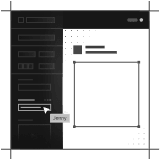
Granular user permissions
Built-in role and permission management is detailed and flexible. You can lock down exactly what each editor can see and do without needing third-party plugins.
Tell us what you're building. We reply within one working day — Jono or someone on the team picks up every message personally.
Join the growing list of successful migrations