Case study
View case studyJamb
We rebuilt Jamb on Sanity and Next.js, merging two legacy PHP sites into one calm catalogue without losing the SEO equity their antique and reproduction collections had built up.



From Hygraph to Magnolia
Last verified:
Key pain points
GraphQL-only is the core trade-off. If your team hasn't worked with GraphQL, expect a ramp-up period, and simple projects can end up feeling more complex than they need to be. The UI slows down once your dataset grows, especially with dozens of fields or multiple locales. Localization works, but past ten languages the interface starts to feel like a spreadsheet that lost a fight.
Integrations take more effort if the rest of your stack is REST. There's no REST endpoint, so you'll write adapters or a BFF layer. Pricing is the other thing to plan for: the Growth plan at $199/month includes 1M API operations, and overages at $0.20 per 10K ops add up on a busy site. Enterprise is the only way to unlock SSO, custom roles, and higher locale counts.
If you're unsure whether Hygraph is the right fit, or you're stuck halfway up the learning curve, reach out. We can help you map the cleanest path forward.

You have to really love GraphQL
GraphQL is one of its strongest point but it can be your downfall as well, if your team hasn’t touched GraphQL before, expect a ramp-up period. It’s powerful but definitely not “plug in and go.”

Large dataset performance issues
Once your project grows, the Hygraph UI can start dragging. Big data collections need extra optimization to stay usable.
Interface sluggishness at scale
Heavy models, long lists, and asset-heavy projects can make the dashboard feel slow, especially for editors.

Localization workflow complexity
Managing multiple locales works, but it’s not as intuitive as it looks on paper. Some teams find themselves clicking around more than expected.
Multi-language interface clutter
Multi-language setups work fine, but as soon as you hit double-digit locales, the UI quickly becomes noisy and harder to manage. It’s usable, just not optimised for scale.
REST API integration challenges
If your systems still rely on REST, be prepared for extra engineering. Hygraph is GraphQL-only, so adapters and rework are part of the deal.
Key advantages
Magnolia shines if you’re the kind of organisation that genuinely needs the full DXP kitchen sink. It packs personalisation, workflows, multi-site orchestration, multilingual publishing, DAM, marketing automation hooks, and every enterprise acronym you can think of. If your teams run complex global content operations with strict governance, Magnolia’s mature permission system, stability, and long-standing enterprise reputation make it a safe, compliant option.
To be transparent, we don’t actually prefer or build with Magnolia (or any of the DXP-flavoured headless CMSs). They try to do everything, and like most jack-of-all-trades platforms, they don’t excel at the things modern teams actually need that is speed, flexibility, clean workflows, and sane pricing. We’d happily point you toward modern alternatives like Sanity that give you 10× the agility without the enterprise bloat.
Java-based enterprise integration
Built on Java, Magnolia plugs neatly into large enterprise stacks that already rely on Java systems and legacy infrastructure. If your organisation lives and breathes JVM, Magnolia won’t fight your architecture.
Secure, scalable architecture
Magnolia’s core is engineered for high-security, high-traffic environments, with strong access control, clustering, and enterprise-grade stability. It’s built to survive heavy editorial activity and large content delivery demands.

Real-time page templating
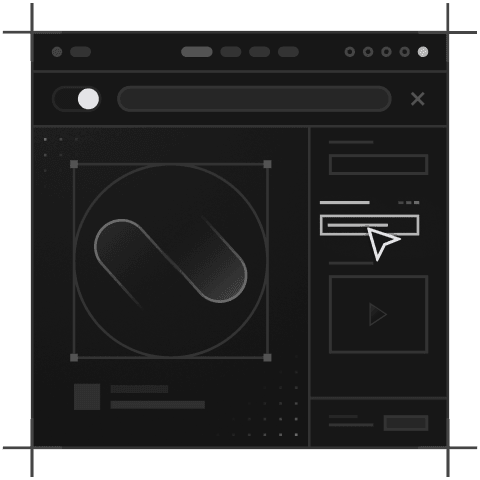
Editors can adjust components and layouts and immediately preview results, making large enterprise content operations faster and less error-prone.
Editable component previews
Magnolia’s component-level previewing gives editors clarity on how complex pages come together, reducing back-and-forth with developers and keeping multi-team workflows sane.
Multi-site management tools
Designed for global brands, Magnolia supports multiple sites, languages, and regional variations under one roof.
Advanced workflow automation
From multi-step approvals to compliance-driven publishing flows, Magnolia handles heavyweight governance. This is the stuff big enterprises actually need when 20 departments want access but only 2 should publish.
Tell us what you're building. We reply within one working day — Jono or someone on the team picks up every message personally.
Join the growing list of successful migrations