Case study
View case studyJamb
We rebuilt Jamb on Sanity and Next.js, merging two legacy PHP sites into one calm catalogue without losing the SEO equity their antique and reproduction collections had built up.



From Drupal to Uniform
Last verified:
Key pain points
Here's the uncomfortable truth about Drupal: it's powerful, but it demands a level of investment that most teams underestimate. The learning curve is brutal. We're not talking about a weekend of tutorials; we're talking about months before a developer is truly productive. Drupal 8 and beyond adopted Symfony patterns, which is great for architecture but means you now need a PHP developer who also understands dependency injection, service containers, and YAML configuration files that seem to multiply overnight. Finding and retaining Drupal talent is genuinely difficult, and the developer survey data confirms it: fewer than 10% of the community is under 30, and almost nobody is joining fresh.
The upgrade story has been a recurring nightmare. The jump from Drupal 7 to 8 was essentially a full rebuild, and the ongoing churn from PHP and Symfony upstream changes means your team spends a meaningful chunk of time just keeping the lights on. Module compatibility breaks, themes need reworking, and the update process still isn't fully automated. If you're on a lean team, that maintenance burden is going to eat into your feature development time.
And then there's the content editor experience. Drupal was built by engineers for engineers, and it shows. The admin interface is functional but far from intuitive, and content teams coming from friendlier platforms consistently struggle with it. You can improve things with contributed modules and custom configuration, but that's more time and money. At the end of the day, if you don't have the budget for a dedicated Drupal team or a long-term agency partnership, you're going to have a bad time.
Punishing learning curve
Getting productive in Drupal takes months, not days. The combination of Symfony patterns, YAML configuration, and Drupal-specific conventions means onboarding new developers is slow and expensive.

Shrinking talent pool
The developer community is aging out. Fewer than 10% of Drupal developers are under 30, and new developers aren't joining at a rate that replaces those leaving. Finding affordable Drupal expertise is a real challenge.
Painful upgrade cycles
Between PHP version bumps, Symfony updates, and Drupal core changes, your team will spend significant time on maintenance that has nothing to do with shipping features. The Drupal 7 to 8 migration was so brutal they delayed end-of-life for years.
Poor content editor experience
The admin interface was designed by developers, and it shows. Content teams coming from WordPress, Sanity, or any modern CMS will find the editing experience clunky and unintuitive without significant customization.
Resource-hungry infrastructure
Drupal is not light. It demands proper server resources, caching layers, and database optimization to perform well. Cheap shared hosting won't cut it, and infrastructure costs add up quickly.
High total cost of ownership
It's open source, but don't let that fool you. Between specialized developers, hosting requirements, ongoing maintenance, and the sheer time investment to configure everything, Drupal projects consistently cost more than teams expect.
Key advantages
Uniform positions itself as a “composable DXP,” which is enterprise-speak for “it does a bit of everything on top of your actual CMS.” To be fair, the visual workspace is genuinely useful. Marketers get drag-and-drop control, personalization, and A/B testing without pinging developers every five minutes. And if you’re already juggling multiple systems (CMS, commerce, DAM), the orchestration layer can tidy up the chaos.
That said… we’ll be honest, we don’t really build with DXPs like this anymore. Whenever a headless tool starts shouting “DXP” from the homepage, it usually means heavyweight architecture, unnecessary complexity, and a bill only Fortune 500 companies would smile at. If you’re considering it anyway, feel free to get in touch. We’ll happily walk you through better, modern alternatives before you sink a quarter’s budget into something you probably don’t need.
Visual experience composition
Uniform’s visual builder lets marketers piece together pages without pinging developers every 5 minutes. It’s basically a drag-and-drop layer on top of your headless stack.
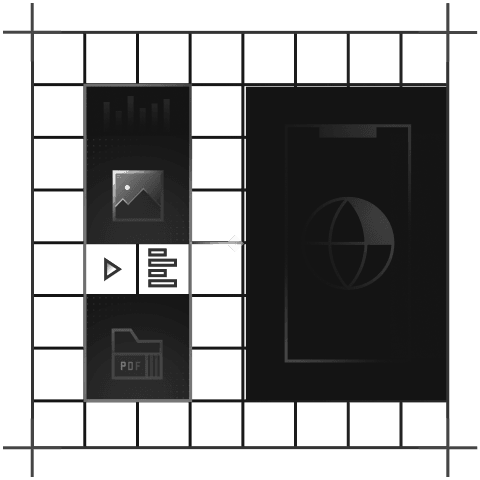
Multi-source content federation
Uniform pulls content from multiple CMSs, DAMs, and commerce tools into one interface, so you don’t need 10 tabs open to build a single page
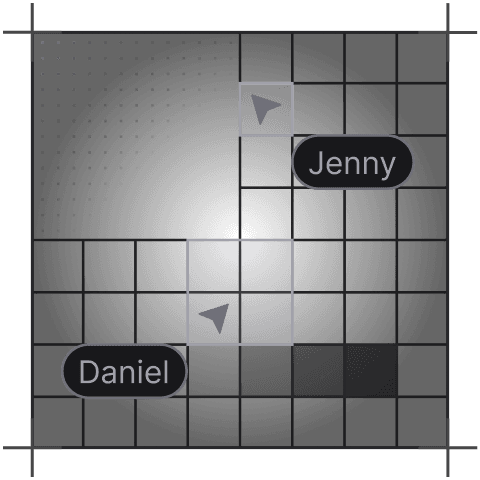
Real-time collaboration tools
Teams can edit, plan, and experiment together without overwriting each other’s work. It’s built for big organisations where ten people touching the same page is a weekly occurrence.
Enterprise-grade scalability
Uniform is built to handle traffic spikes and heavy personalisation workloads. It’s overkill for small sites but a safe bet for enterprises terrified of a Black Friday outage.
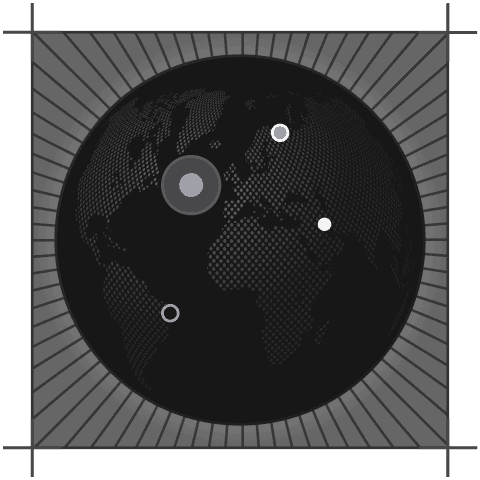
Omnichannel content management
You can pipe the same content across web, apps, and any other channel marketing dreams up. Useful for brands juggling multiple experiences without wanting to rebuild the same page three times.
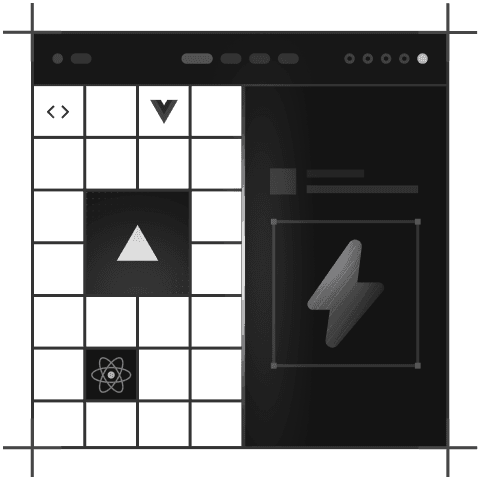
Built-in A/B testing
Uniform ships with native testing and targeting, so teams can experiment without gluing together half a dozen tools. It’s marketer-friendly and fast.
Tell us what you're building. We reply within one working day — Jono or someone on the team picks up every message personally.
Join the growing list of successful migrations