Case study
View case studyJamb
We rebuilt Jamb on Sanity and Next.js, merging two legacy PHP sites into one calm catalogue without losing the SEO equity their antique and reproduction collections had built up.



From Craft CMS to Kentico
Last verified:
Key pain points
The elephant in the room is PHP. Craft requires a traditional LAMP-style hosting setup with PHP 8.2+ and MySQL or Postgres, which immediately rules out the serverless and edge-first hosting that modern JavaScript frameworks thrive on. You're managing servers, configuring OPcache, tuning database connections, and dealing with all the operational overhead that comes with self-hosted PHP applications. For teams already working in the JavaScript ecosystem, this is a hard sell.
Major version upgrades are genuinely painful. Craft doesn't support skipping major versions, so migrating from Craft 2 to 5 means stepping through every version in between. Each jump brings breaking changes to Twig templates, PHP requirements, and plugin compatibility. We've seen agencies spend weeks on upgrades that should have been straightforward. The Team tier starts at $279 per project and the Pro tier costs $399, plus $99 annual renewals for both. A free Solo tier exists for single-user projects, but costs still add up for agencies, especially when you factor in plugins and the recent trend toward stricter licence enforcement in the control panel.
The community, while passionate, is relatively small compared to WordPress or even newer headless CMS platforms. When you hit an edge case or need help with a niche plugin, you may find yourself digging through GitHub issues rather than finding a ready answer. And while Craft Cloud exists as a managed hosting option, it's still maturing and doesn't yet match the deployment experience you'd get with platforms like Vercel or Netlify.
PHP hosting requirements
You need a traditional server with PHP 8.2+, MySQL or Postgres, and proper configuration. No serverless, no edge deployment, no modern hosting shortcuts.

Painful major version upgrades
You can't skip major versions, so upgrades mean stepping through each release with breaking Twig, PHP, and plugin changes along the way.
Smaller community and ecosystem
The community is dedicated but small. Finding answers to niche problems often means digging through GitHub issues or waiting on forum responses.
Licence costs add up
The Team tier is $279 per project and Pro is $399, both with $99 annual renewals, plus paid plugins on top. A free Solo tier exists for single-user projects, but costs add up quickly for agencies managing multiple client sites.

Learning curve for non-developers
Craft assumes your team includes developers. Content editors coming from WordPress or simpler tools will need time to adjust to the more structured interface.

Twig templating limitations
Twig is clean but limited compared to modern component frameworks. Complex UI logic gets awkward, and you're locked into whatever Twig version Craft supports.
Key advantages
If Corporate Memphis art, dashboards, and spreadsheets are what you need, Kentico might be your happy place. The interface feels like Microsoft Office; that is, it is familiar, editor-friendly, and hard to break. And unlike platforms that need 14 plugins and a prayer, Kentico ships with the whole toolkit. It has marketing automation, e-commerce, workflows, multisite, multilingual, and the entire lot.
It scales well, handles heavy enterprise workloads, and integrates cleanly through APIs. But it is not the right fit for tiny brochure sites, but for large organizations that want everything under one roof, it’s a serious contender. If you’re unsure whether you really need the full armoury, send it our way and we’ll tell you if you’re ready for Kentico or if you’re just buying a tank to deliver pizza.
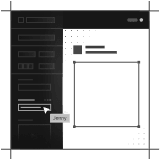
User-friendly interface
Kentico’s UI feels familiar with “Office toolbar,” like functions, rather than “developer terminals.” Editors can publish, schedule, and update content without needing a developer on standby.

Built in tools
You don’t need to glue together 12 plugins just to run campaigns or sell products. Kentico ships with automation, personalization, analytics, and e-commerce baked in.
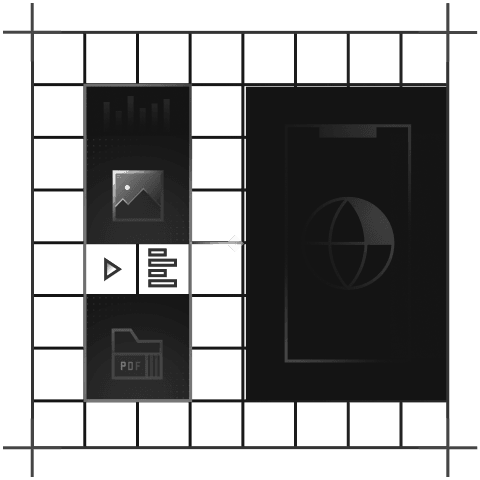
Flexible API and extensibility options
If your team speaks .NET, Kentico supports it. Its APIs and integration options make it easier to connect CRMs, ERPs, BI tools, and custom services without duct-tape engineering.

Workflow and role management system
It has multiple approvers, granular permissions, and strict publishing rules. Legal, marketing, and IT can all sign off without stepping on each other.
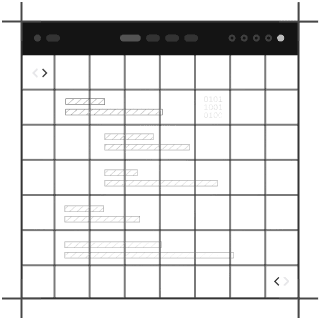
Fast onboarding + safe staging
Training is quick, publishing is simple, and staging environments keep mistakes from going live. Teams can work confidently without “oops, wrong button” moments.
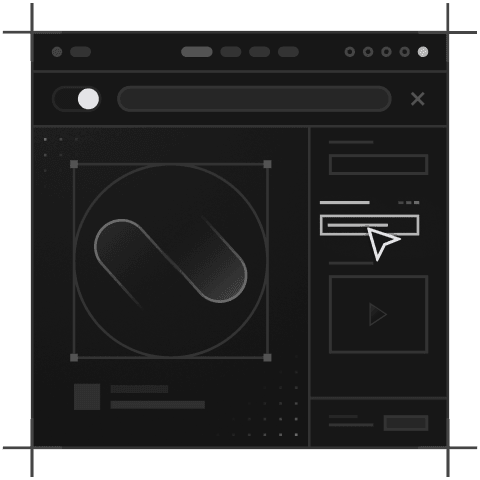
Headless-ready
If you want speed, security, and headless flexibility, Kentico delivers. Content moves fast, scales well, and supports multi-site or multilingual setups without falling over.
Tell us what you're building. We reply within one working day — Jono or someone on the team picks up every message personally.
Join the growing list of successful migrations