Case study
View case studyJamb
We rebuilt Jamb on Sanity and Next.js, merging two legacy PHP sites into one calm catalogue without losing the SEO equity their antique and reproduction collections had built up.



From ButterCMS to Payload
Last verified:
Key pain points
Where ButterCMS starts to show cracks is when projects grow beyond its comfort zone. The content modeling is adequate for straightforward use cases, but it lacks the depth and flexibility of platforms like Sanity or Contentful. Components are only available for pages, not collections or blog posts, which creates frustrating inconsistencies when you're trying to build a cohesive content architecture. The 1,000 content field limit, even on expensive plans, can become a real ceiling for ambitious projects.
The platform's smaller ecosystem is a double-edged sword. While anyone who knows JavaScript can work with the API, you won't find the same depth of community resources, plugins, or third-party integrations that larger platforms offer. Media management is also noticeably behind, with no bulk upload capability and limited asset organisation tools. For agencies managing multiple client sites, these paper cuts add up quickly.
There have also been transparency concerns. In 2024, a DNS incident affected thousands of sites using ButterCMS, but their status page showed no downtime. That kind of communication gap is a red flag for any team relying on a third-party CMS in production. The pricing, while competitive on the surface, can feel steep for smaller teams once you move past the limited free tier, and the jump between plans isn't always proportional to what you get.
Limited content modeling flexibility
Components are only available for pages, not collections or blog posts. This creates awkward workarounds when you need consistent structured content across different content types.
Content field limits on all plans
Even the most expensive plans cap you at 1,000 content fields. For complex, multi-locale projects this ceiling arrives faster than you'd expect.
No bulk media upload
The media library only supports single-file uploads with limited organisation tools. Managing assets across a large site becomes tedious quickly.

Small ecosystem and community
Compared to Contentful or Sanity, the community is tiny. Fewer plugins, fewer tutorials, and fewer developers with direct experience means more problem-solving on your own.

Transparency concerns around incidents
In 2024, a DNS incident reportedly affected sites using ButterCMS, but limited public acknowledgement on their status page raised concerns about transparency. The details are difficult to verify independently.
Pricing jumps between tiers
The free tier is very limited, and paid plans start at $71 per month. For small projects or startups, the cost can be hard to justify when alternatives offer more generous free tiers.
Key advantages
Payload is genuinely strong tech. It’s fast, open-source, developer-first, and perfect if you want full control over your content model. The Next.js integration is smooth, the admin UI is clean, and it’s one of the more flexible modern CMS options if your team prefers to build things exactly the way you want them.
Just know that if you want actual features like visual editing, Vercel Blob storage, image handling, etc, you’ll be paying extra for the privilege. If you’re considering Payload or thinking about migrating into (or out of) it, reach out to us. We can help you figure out whether it’s the right stack or guide you toward a cleaner, saner (Sanity) setup.
Integration with Next.js applications
Payload works natively with Next.js, giving you clean data fetching and a smooth development flow. It removes the usual CMS friction so you can build fast, modern frontends without hacks.
Fully customizable
Everything is configured in code, which means you can tailor the CMS to your exact use case. You define the logic, workflows, and behaviour.
Supports custom data models
You can design any content structure your project needs, from simple documents to complex relational models. This gives you full control over how content is organised and delivered.
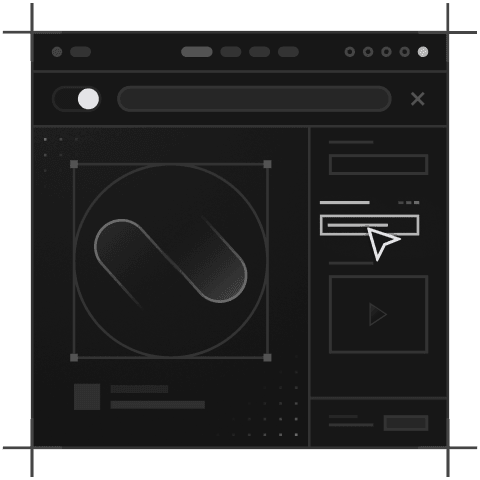
Intuitive admin UI
Payload’s admin panel is simple, clean, and fast. Editors can create, update, and manage content without training or digging through confusing menus.

Custom plugins and APIs
You can extend Payload however you like. Build custom fields, integrate external services, or add your own API routes. Perfect for teams that need deeper project-specific functionality.
Built-in authentication
Payload comes with user auth, roles, and access control baked in. No external auth service needed, and you can customise permissions to match your editorial workflow.
Tell us what you're building. We reply within one working day — Jono or someone on the team picks up every message personally.
Join the growing list of successful migrations