Case study
View case studyJamb
We rebuilt Jamb on Sanity and Next.js, merging two legacy PHP sites into one calm catalogue without losing the SEO equity their antique and reproduction collections had built up.



From ButterCMS to Adobe Experience Manager
Last verified:
Key pain points
Where ButterCMS starts to show cracks is when projects grow beyond its comfort zone. The content modeling is adequate for straightforward use cases, but it lacks the depth and flexibility of platforms like Sanity or Contentful. Components are only available for pages, not collections or blog posts, which creates frustrating inconsistencies when you're trying to build a cohesive content architecture. The 1,000 content field limit, even on expensive plans, can become a real ceiling for ambitious projects.
The platform's smaller ecosystem is a double-edged sword. While anyone who knows JavaScript can work with the API, you won't find the same depth of community resources, plugins, or third-party integrations that larger platforms offer. Media management is also noticeably behind, with no bulk upload capability and limited asset organisation tools. For agencies managing multiple client sites, these paper cuts add up quickly.
There have also been transparency concerns. In 2024, a DNS incident affected thousands of sites using ButterCMS, but their status page showed no downtime. That kind of communication gap is a red flag for any team relying on a third-party CMS in production. The pricing, while competitive on the surface, can feel steep for smaller teams once you move past the limited free tier, and the jump between plans isn't always proportional to what you get.
Limited content modeling flexibility
Components are only available for pages, not collections or blog posts. This creates awkward workarounds when you need consistent structured content across different content types.
Content field limits on all plans
Even the most expensive plans cap you at 1,000 content fields. For complex, multi-locale projects this ceiling arrives faster than you'd expect.
No bulk media upload
The media library only supports single-file uploads with limited organisation tools. Managing assets across a large site becomes tedious quickly.
Small ecosystem and community
Compared to Contentful or Sanity, the community is tiny. Fewer plugins, fewer tutorials, and fewer developers with direct experience means more problem-solving on your own.

Transparency concerns around incidents
In 2024, a DNS incident reportedly affected sites using ButterCMS, but limited public acknowledgement on their status page raised concerns about transparency. The details are difficult to verify independently.
Pricing jumps between tiers
The free tier is very limited, and paid plans start at $71 per month. For small projects or startups, the cost can be hard to justify when alternatives offer more generous free tiers.
Key advantages
AEM is the kind of platform you only choose if you’re a Fortune 500 company or enjoy voluntarily suffering. I hate anything Adobe builds. It’s bloated, overpriced, and aggressively designed to lock you into their ecosystem. But fine, here are the positives: the Adobe integration is unmatched. If your entire organisation already lives inside Creative Cloud, Analytics, and Target, AEM becomes this giant DXP monolith that handles assets, personalization, segmentation, and multi-channel delivery without breaking a sweat. The DAM is legitimately powerful, and it scales like a tank.
If you’re not operating at scale, you’ll spend absurd money for problems a clean Sanity + modern composable stack solves better and cheaper. If you are considering AEM or escaping it, get in touch. We’ll help you choose something that won’t haunt your ops team for the next decade.

Integration with Adobe tools
AEM connects with Creative Cloud, Analytics, and Target, letting teams move assets, data, and personalisation logic across tools without friction
Robust digital asset management
The DAM is genuinely powerful. It has AI tagging, smart cropping, versioning, and bulk optimisation for massive media libraries.
Consistent multi-channel delivery
AEM can push content to web, mobile apps, email, and more from one central source. Ideal for enterprises that need consistent messaging across every customer touchpoint.
Flexible architecture
Supports both classic and headless approaches, letting teams mix legacy setups with modern frontends. It’s adaptable enough for companies with complicated stacks.

Scalable enterprise-level operations
AEM is designed to handle huge traffic, global teams, and heavy workflows. It scales reliably when backed by proper infrastructure and Adobe’s cloud.
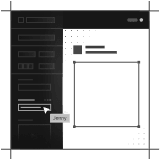
Intuitive user interface
For an enterprise platform, the UI is relatively approachable, helping large content teams manage complex workflows without needing to touch code.
Tell us what you're building. We reply within one working day — Jono or someone on the team picks up every message personally.
Join the growing list of successful migrations